
At A Glance
Planning your stay?
Luxury Apartment Stays at Casa Almada — check availability and book direct.
Yes, Lisbon is safe to visit in 2026 and 2027: Portugal is the 7th most peaceful country in the world, and the main risk for visitors is pickpocketing.
- Portugal placed 7th of 163 countries in the Global Peace Index 2026, a position it has held since 2023
- Violent and serious crime fell 3.4% in the Lisbon district in 2025, according to the RASI report of 31 March 2026
- Pickpocketing is the main issue: 7,443 cases in Portugal in 2025, 46% of them in the Lisbon district
- Call 112 for police, ambulance or fire, and the SNS 24 health line on 808 24 24 24
- Casa Almada is on a quiet residential street a few minutes on foot from Lisbon Cathedral and Tram 28
Is Lisbon safe to visit? Yes. Lisbon is one of the safest capitals in Europe: Portugal placed 7th of 163 countries in the Global Peace Index 2026, and the national internal security report (RASI), presented on 31 March 2026, recorded a 3.4% fall in violent and serious crime in the Lisbon district during 2025. The main risk for visitors is pickpocketing on Tram 28, in the Baixa and around Rossio, and on crowded metro platforms and trains, including the Santa Apolónia end of the Blue Line. Safety is one of the reasons we give in our honest verdict on whether Lisbon is worth visiting.
We have welcomed families, groups of friends and couples to Casa Almada for years, and the stories guests bring back are about custard tarts, fado and sunsets from the miradouros, not about crime. Our apartment in Lisbon’s Old Town sits on a quiet residential street in the Sé and Castelo area, with the Cathedral around the corner and Tram 28 at the bottom of the street. Neighbours know each other, children walk to school along the same cobbles, and by eleven at night the loudest sound is usually the last tram climbing the hill towards Graça.
That does not mean Lisbon is risk free. Pickpocketing rose by 7.7% across Portugal in 2025, and almost half of all cases happened in the Lisbon district, mostly on public transport and in the historic and tourist areas. A handful of scams target first-time visitors, the late-night bar streets need the same care as any European nightlife district, and the city’s hills, polished stone pavements and Atlantic beaches carry their own practical risks. Knowing where each risk sits, and how small most of them are, lets you relax and enjoy the city properly.

Looking for a calm, central base? Casa Almada is a 220 m² whole apartment with three bedrooms, two bathrooms and a private rooftop terrace on a quiet street by Lisbon Cathedral. Sleeps up to 9 plus 2 infants.
Check AvailabilityCrime figures, emergency numbers and border rules last checked: 19 November 2026.
Is Lisbon Safe to Visit in 2026 and 2027? What the Official Crime Figures Show
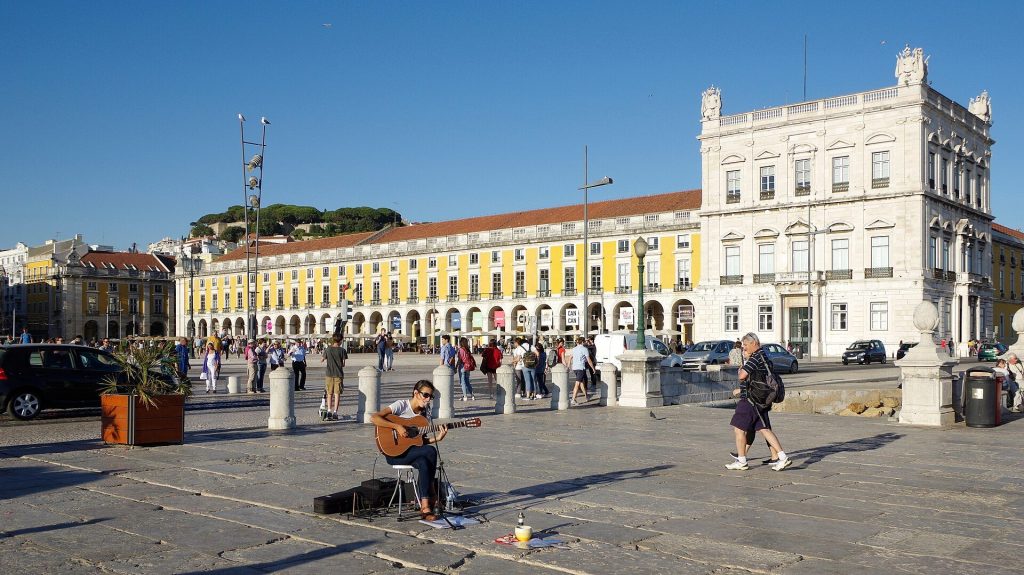
The clearest independent measure is the Global Peace Index, published every June by the Institute for Economics and Peace. The 2026 edition placed Portugal 7th of 163 countries, behind Iceland, New Zealand, Switzerland, Slovenia, Ireland and Austria, and ahead of Singapore, Finland and Japan. Portugal has held seventh place since 2023. The index weighs societal safety, internal conflict and militarisation, so it describes the country as a whole, but Lisbon is where most of Portugal’s visitors spend their time and the picture on the ground matches it well.
Portugal’s own figures come from the Relatório Anual de Segurança Interna, or RASI, the annual internal security report presented to the government. The 2025 report, released on 31 March 2026, showed violent and serious crime down 1.6% nationally and down 3.4% in the Lisbon district. Total reported crime rose 3.1%, which the authorities linked partly to more police inspections and enforcement. For visitors, the most useful line in the report concerns pickpocketing, which is the one category that genuinely affects tourists in the capital.
| Indicator | Latest figure | Source and date |
|---|---|---|
| Global Peace Index, Portugal | 7th of 163 countries | Institute for Economics and Peace, June 2026 |
| Violent and serious crime, Portugal | Down 1.6% in 2025 | RASI 2025, 31 March 2026 |
| Violent and serious crime, Lisbon district | Down 3.4% in 2025 | RASI 2025, 31 March 2026 |
| All reported crime, Portugal | Up 3.1% in 2025 | RASI 2025, 31 March 2026 |
| Pickpocketing, Portugal | 7,443 cases, up 7.7% | RASI 2025, 31 March 2026 |
| Share of pickpocketing in Lisbon district | 46%, three in four of those in the city | RASI 2025, 31 March 2026 |
Read together, the figures say something simple. Serious crime against visitors is rare and falling in Lisbon, while petty theft is common enough that you should plan for it. The RASI names public transport, historic and tourist areas, large events, and hotels and restaurants as the places where pickpockets operate, which is exactly where visitors gather. The UK government’s travel advice for Portugal gives the same message: thieves use distraction techniques and often work in teams, so keep valuables spread across more than one pocket or bag.
The everyday feel of the city backs this up. Lisbon is a place where grandparents sit on benches in the squares late into the evening, where children play football in the small largos of Alfama, and where restaurants serve dinner until eleven. Police patrol the main tourist areas on foot, and Praça do Comércio, Rossio and the riverfront are busy and well lit until late. Most guests who stay with us never meet any trouble at all, and those who do almost always describe a lost phone or a lifted wallet rather than anything frightening.
Which Lisbon Neighbourhoods Are Safe Day and Night, and Which Need More Care?

Lisbon’s central neighbourhoods are all safe to visit, but each has its own rhythm and its own small risks. The historic core of Baixa, Chiado and Alfama is busy with visitors from morning to late evening, which keeps the streets lively and well watched. Bairro Alto and Cais do Sodré come alive after dark, when the crowds bring the usual nightlife issues. A couple of areas around Martim Moniz call for more care at night, and the newer districts of Belém and Parque das Nações are calm and spacious at almost any hour.
The table summarises how each area feels by day and by night, and what to watch for. It reflects the advice we give our own guests, the RASI pattern of petty theft in tourist and transport hubs, and the experience of living and working in the Old Town. None of these neighbourhoods is a place to avoid; the differences are about which precautions matter most in each one, and at what time of day they matter.
| Neighbourhood | Daytime | After dark | What to watch |
|---|---|---|---|
| Baixa (Rua Augusta, Rossio) | Very safe, very busy | Safe, quieter after shops close | Pickpockets in crowds, fake drug sellers |
| Chiado | Very safe | Safe, lively until late | Bags on café terraces, metro escalators |
| Alfama and the Sé | Very safe | Safe, quiet and residential | Tram 28 crowds, steep steps in the dark |
| Bairro Alto | Safe, sleepy | Safe but crowded at weekends | Phones on tables, drinks, late crowds |
| Cais do Sodré and Pink Street | Safe | Busiest late-night area | Pickpockets and drunken crowds after 1am |
| Intendente and Martim Moniz | Safe, multicultural | Take more care | Street dealing around Martim Moniz |
| Belém | Very safe | Quiet | Pickpockets in monument and pastry queues |
| Parque das Nações | Very safe | Very safe, well lit | Very little; wide modern streets |
The streets around Lisbon Cathedral, where Casa Almada sits, are among the quietest in the centre. The tour groups and tuk-tuks thin out by early evening, and the side streets become what they have always been: a residential neighbourhood of tiled facades, small grocers and neighbours chatting on doorsteps. Our apartment is on one of these streets rather than on a bar strip, so guests sleep well and come home along lit, familiar routes. Families often tell us how relaxed they felt walking back from dinner in the Baixa with sleepy children.
Intendente and Martim Moniz deserve a fair word. Intendente has changed enormously over the last decade, with cafés, small galleries and a lovely square, and it is a pleasant place to explore in daylight. Around Martim Moniz square and some of the lanes leading off it, visible street dealing and petty crime are more common after dark, and the police have run several high-profile operations in the area. Visit by day, use the main streets at night, and you will see a lively, multicultural side of Lisbon that many visitors miss when they stay close to the river.
Where Do Pickpockets Work in Lisbon, and How Do You Avoid Them?
Pickpocketing is the one crime in Lisbon that visitors should actively plan around. The RASI recorded 7,443 cases across Portugal in 2025, up 7.7% on the year before, with 46% in the Lisbon district and three quarters of those inside the city itself. Thieves concentrate where visitors are crowded together and distracted: on trams, on metro platforms and escalators, in the queues for monuments and pastry shops, and on packed pedestrian streets. They often work in pairs or small groups, with one person creating a distraction while another lifts a phone or wallet.
The good news is that pickpockets look for easy opportunities, and a few habits make you a much harder target. Most thefts we hear about involve a phone in a back pocket, a backpack worn behind on a crowded tram, or a bag hung on the back of a café chair. None of these require special equipment to fix. The hotspots and habits in the box are the ones we share with every guest at check-in, and they cover nearly every incident we have ever been told about.
Lisbon Pickpocket Hotspots and Habits That Work
- Tram 28, especially the crowded stretch between Martim Moniz, the Sé and Graça
- Rua Augusta, Rossio and Praça do Comércio at busy times of day
- Metro platforms and trains at Baixa-Chiado, Rossio and Santa Apolónia, and the Red Line to the airport
- Queues at the Santa Justa Lift, Belém monuments and famous pastry shops
- Keep phones and wallets in a zipped front or inside pocket, never a back pocket
- Wear backpacks on your front in crowds and keep bags on your lap at café tables
- Carry one card and some cash for the day, and leave passports in the apartment safe or a zipped bag
If a stranger suddenly bumps into you, asks you to sign a petition, spills something on your jacket or crowds you at a tram door, put a hand on your bag before you do anything else. Those small moments of confusion are exactly what pickpocket teams rely on. Equally, if you see someone hovering too close on a busy tram, simply step away or move to another part of the carriage. Thieves rarely persist once they realise you are paying attention, and Lisbon’s pickpockets almost never use violence or threats.
If something is taken, report it promptly so you have a police report for your insurer and for replacing cards or documents. Freeze bank cards from your banking app first, then contact the PSP, the city police, in person or through 112 if the situation is urgent. Keep a photo of your passport and a note of your card helplines on your phone or in your email, because it makes the next steps far quicker. We help guests through this whenever it happens, including directions to the nearest police station.
Is Tram 28 Safe, and How Safe Is Public Transport in Lisbon?

Tram 28 is safe in the sense that matters most: it is reliable, it is driven carefully through some very tight streets, and violent incidents on board are rare. It is also the single most famous pickpocket spot in Lisbon. The historic yellow trams carry only a small number of passengers, so they fill quickly, and most riders are visitors with phones out, filming the view. The route runs between Martim Moniz and Campo de Ourique, winding through Graça, Alfama and past the Cathedral on its way to the Baixa and Estrela, which is exactly where the crowds and the pickpockets gather.
There are easy ways to enjoy riding Tram 28 without worry. Board early in the morning or in the evening, when the queue at Martim Moniz is short and you can get a seat. Sit rather than stand if you can, keep your bag on your lap, and avoid standing by the doors, where thieves can step off at the next stop. If the tram arrives packed, let it go and wait for the next one, or walk the hill instead, because many of the best views are on foot anyway.
The metro is clean, well lit and widely used by locals at all hours until it closes at 1am. Standard city sense applies: keep your bag in front of you on busy trains, watch for groups who crowd you at the doors, and take care on the very long escalators at Baixa-Chiado. The Red Line to the airport attracts thieves who target visitors with luggage, so keep phones away and hands on your bags until you are seated. Buses are generally calm, though the busiest routes through the centre need the same attention.
Taxis and ride-hailing apps are both safe and widely used in Lisbon. Licensed taxis are metered and can be hailed in the street or picked up at the stands outside stations and main squares, while app-based cars give you the driver’s details and the route before you set off, which many solo travellers find reassuring late at night. For arrivals, our Lisbon airport transfer options compare the metro, the Aerobus and taxis, with tips on avoiding the few drivers who wait outside arrivals to overcharge first-time visitors.
Casa Almada: A Quiet Old Town Base by Lisbon Cathedral
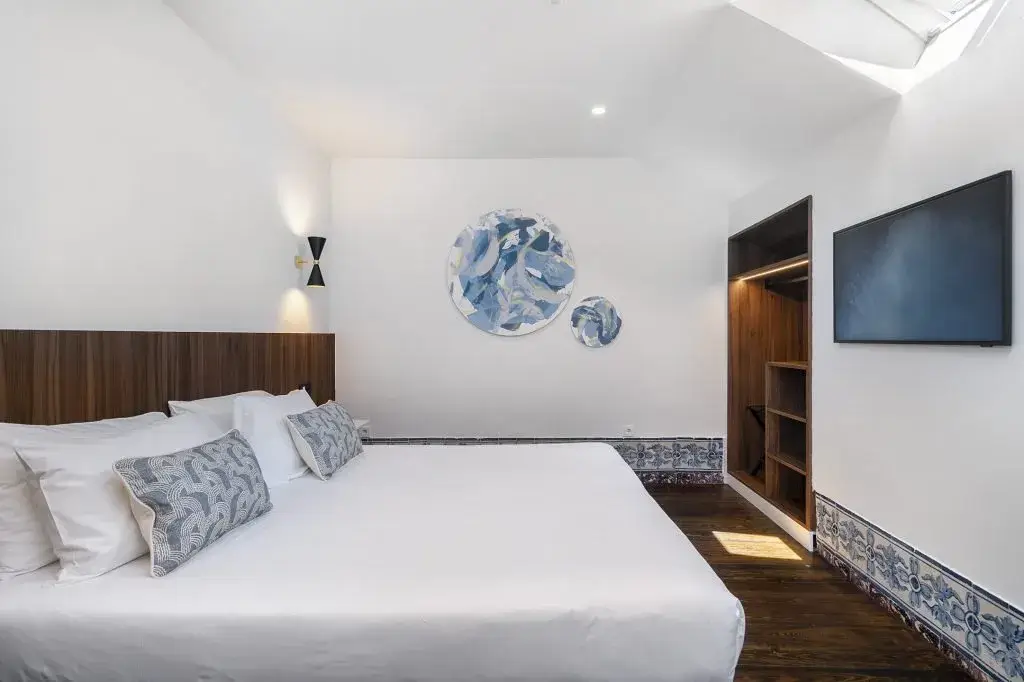
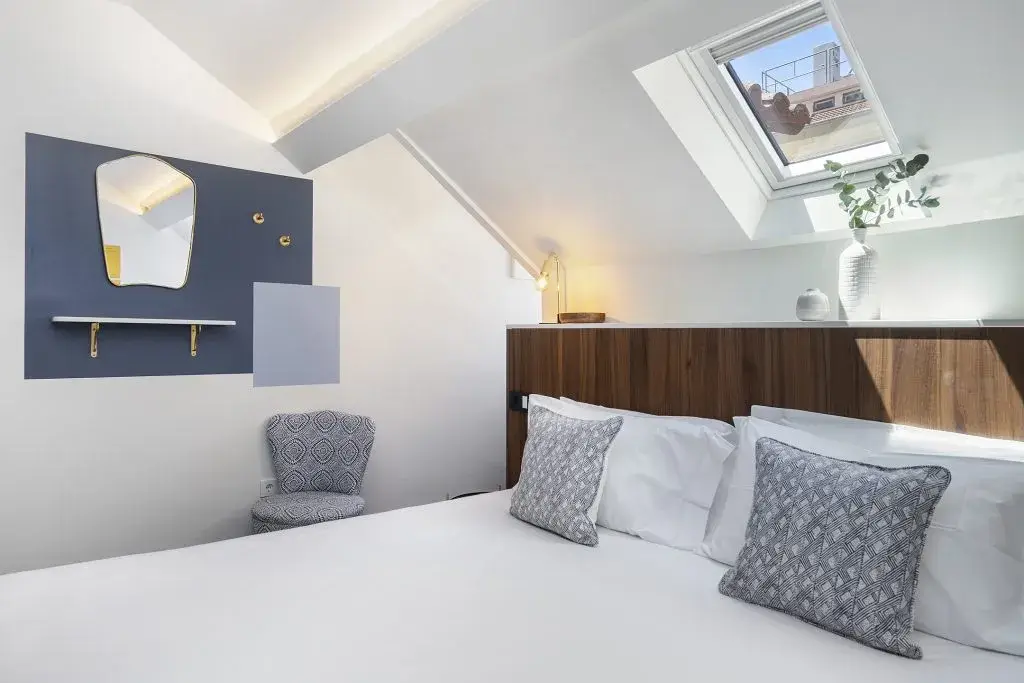
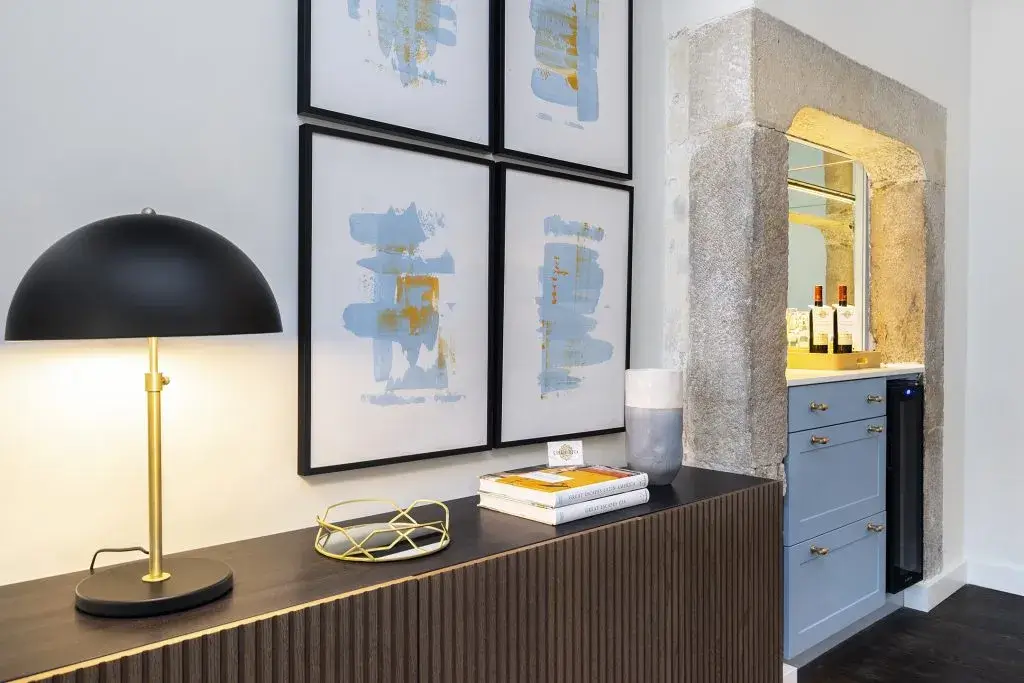
A 220 m² whole apartment with three super-king bedrooms, two bathrooms, a full kitchen and a private rooftop terrace, on a residential street a few minutes on foot from Lisbon Cathedral.


Common Lisbon Scams Tourists Meet, and How to Avoid Each One
Lisbon’s scams are mostly irritating rather than dangerous. The best known is the man on Rua Augusta or around Rossio who murmurs “hashish, cocaine?” as you pass. What he sells is almost always fake, usually dried leaves or crushed bay, and the offer is aimed at visitors who do not know better. Possessing drugs for personal use is not a criminal offence in Portugal, but buying on the street is still illegal, and you risk handing money to someone who has every reason to try to take more of it.
Other tricks are familiar from any big European city: the clipboard petition that distracts you while a partner reaches into your bag, the friendly helper at a ticket machine, and the taxi that takes a long route from the airport. Restaurants add one local habit that surprises visitors, the couvert of bread, olives, butter or cheese placed on the table before you order. It is a normal custom rather than a scam, but you only pay for what you eat, so send it back politely if you do not want it.
Lisbon Scams to Recognise
- Fake drug sellers on Rua Augusta and around Rossio: keep walking and say nothing
- Petitions and clipboards pushed at you in crowds: decline and keep a hand on your bag
- Helpers at ticket machines: use the English menu yourself or ask staff at the window
- Couvert at restaurants: you pay only for what you eat, so return it if you prefer
- Currency conversion at cash machines and card terminals: always choose to pay in euros
- Taxis without a meter running: insist on the meter or use an app with a fixed fare
- Tuk-tuk tours with no price agreed: confirm the total and the length of the tour first
Money tricks cost visitors more than any street scam. Some independent cash machines in the centre charge high fees and offer to convert your withdrawal into your home currency at a poor rate, and many card terminals in shops and restaurants ask the same question. Always choose to be charged in euros, and use the cash machines attached to Portuguese banks, marked Multibanco, where possible. Knowing what things really cost in Lisbon also makes an inflated taxi fare or tour price easy to spot.
The friendliest rule is also the simplest: if an offer arrives unasked, in the street, with pressure to decide quickly, say no and walk on. Lisbon’s genuine traders, from tram drivers to market stallholders, have no reason to hurry you. If you feel you have been overcharged in a restaurant or shop, ask for the itemised bill and, if needed, the complaints book, the Livro de Reclamações, which every business in Portugal must provide by law. Simply asking for it usually settles the matter on the spot.
Is Lisbon Safe at Night in Bairro Alto, Pink Street and Cais do Sodré?

Lisbon is safe at night for the great majority of visitors, and the city’s late dining culture means the centre stays busy well into the evening. The places that need most care are the nightlife districts, where crowds, alcohol and narrow streets combine after midnight. The UK government’s advice notes that attacks, including sexual assaults, are rare but most likely late at night around nightlife areas, and it warns that drinks in Portuguese bars are often stronger than visitors expect. That is sensible guidance for any city, and Lisbon is no exception.
Pink Street, the painted Rua Nova do Carvalho, is the heart of the late-night scene, with bars open into the small hours and big crowds on Friday and Saturday nights. It is a fun, sociable street, and it is safe if you treat it like any busy bar district. Keep phones off tables, keep your drink with you, and agree a meeting point with friends in case you are separated. After about 2am the mood changes as crowds thin out and some revellers become unruly, so it is a good time to head home together.
Bairro Alto works differently. Its grid of narrow lanes fills with people drinking in the street outside small bars, and the mood is friendly and relaxed. The risks are phones lifted from back pockets, bags left on window sills and, occasionally, drinks spiked in crowded bars. Buy your own drinks, watch them being poured and never leave them unattended. If a friend suddenly seems far drunker than they should be, stay with them, get them somewhere quiet and call 112 if you are worried about their condition.
The riverside around Cais do Sodré has improved greatly over the last decade, with restaurants and the food hall drawing a mixed crowd early in the evening. Later at night, the station area and the dark riverside paths are best avoided alone. From the bar districts back to the Old Town, a ride-hailing car or taxi takes only a few minutes and costs little, and it saves a long, steep walk on slippery cobbles. Our guests often finish their night with a quiet glass on the rooftop terrace instead.
Is Lisbon Safe for Solo Female Travellers Walking Alone at Night?
Lisbon is a popular and comfortable city for women travelling alone, and many of our solo guests tell us it felt easier than other European capitals. Daytime is relaxed almost everywhere, public transport is widely used by women of all ages, and the central streets stay busy until late with diners, families and locals out walking. The main risks are the same as for every visitor, pickpocketing and nightlife crowds, rather than anything aimed at women in particular. Catcalling happens occasionally, as it does elsewhere, and is best ignored.
A few habits make solo evenings easy. Plan your route home before you go out, keep your phone charged, and stick to the main lit streets rather than the empty stepped lanes of Alfama after midnight. Sit inside restaurants and bars rather than at isolated outdoor tables late at night, and use a ride-hailing app or licensed taxi for longer journeys after dark. Sharing your live location with a friend at home is a simple extra layer of reassurance, and it costs nothing.
Where you stay makes a real difference. A central base close to the places you want to visit means shorter walks home and fewer late taxis, and a residential street feels very different at night from a bar strip. Casa Almada sleeps up to 9, so it suits women travelling together for a celebration or a girls’ trip, and our group apartment for friends page shows how the three super-king bedrooms, two bathrooms and rooftop terrace work for a group sharing the city.
Is Lisbon Safe for Families With Young Children and Pushchairs?
Lisbon is a very safe and welcoming city for families. Portuguese culture is warm towards children, restaurants are happy to see them late into the evening, and playgrounds and squares fill with families after school. The main things to plan for are physical rather than criminal: steep hills, uneven pavements, long staircases and busy tram crossings. A sturdy, light pushchair or a baby carrier is far more practical than a large travel system on the Old Town’s cobbles and steps, and it makes trams and taxis much easier.
Traffic is the thing to watch most closely with young children. Trams run on rails in narrow streets with very little space between the tracks and the pavement, and the drivers cannot swerve. Hold small hands near tram lines, cross at marked crossings and teach children to step well back from the kerb when they hear the tram bell. On the beaches, the Atlantic is colder and stronger than many families expect, so choose lifeguarded beaches and keep small children within arm’s reach in the water, as the UK government’s advice recommends.
Family Safety Checklist for Lisbon
- A light, compact pushchair or a carrier for cobbles, hills and steps
- Shoes with good grip for everyone, as the stone pavements are slippery when wet
- Sun hats, sun cream and refillable water bottles from May to September
- Hold hands near tram tracks and stand well back from the kerb at stops
- A card in each child’s pocket with your phone number and the apartment address
- Save 112 and the SNS 24 line, 808 24 24 24, in your phone before you travel
Somewhere calm to come back to matters as much as the sightseeing. At Casa Almada, families have two baby cots, toddler beds on request, blackout blinds throughout and a full kitchen for easy meals when little ones are tired. Everything we provide for children is set out on our family apartment in Lisbon page. With the Cathedral, the castle and the riverfront all within walking distance, families spend less time on crowded transport and more time enjoying the city at their own pace.
Is Lisbon Safe and Welcoming for LGBTQ+ Travellers in 2026?
Lisbon is one of the most relaxed cities in southern Europe for LGBTQ+ travellers. Portugal legalised same-sex marriage in 2010, and the country’s constitution prohibits discrimination based on sexual orientation. In the ILGA-Europe Rainbow Map published in May 2026, Portugal placed 12th of 49 countries with a score of 67%, slipping one place from the previous year but still well inside the top third of Europe. Couples holding hands in the centre rarely attract attention, and the city has a long-established, friendly gay scene.
Príncipe Real and Bairro Alto are the traditional centres of LGBTQ+ nightlife, with bars and clubs that welcome everyone, and Lisbon Pride takes place each June. Outside the big cities and in some older or more religious communities, attitudes can be more conservative, as they are in rural areas across Europe, but open hostility is uncommon. The RASI 2025 did record a rise in reported hate crime nationally, with Lisbon the district with most cases, which is a reason to use the same awareness you would anywhere late at night.
For practical safety, the advice for LGBTQ+ visitors is the same as for every traveller: watch your belongings in crowds, keep an eye on drinks in busy bars and take a taxi home late at night. If you experience harassment or a hate crime, report it to the PSP, either in person or through 112 in an emergency. Lisbon’s warmth towards visitors of every background is one of the reasons so many people return year after year, and our guests consistently describe the city as open and easygoing.
What Natural Risks Should Visitors to Lisbon Know: Hills, Heat and Earthquakes?

Lisbon’s most common injuries have nothing to do with crime. The city is built on seven hills, and its pavements are made of calçada portuguesa, small hand-laid limestone and basalt cobbles polished smooth by centuries of feet. They are beautiful, but in the rain or after street cleaning they become as slippery as ice, especially on steep slopes in Alfama, Chiado and around the castle. Shoes with a good rubber grip are the best safety purchase you can make for a Lisbon trip, at any time of year.
Summer heat is the next practical risk. July and August regularly bring very hot days, and the Portuguese weather service, IPMA, issues yellow, orange and red warnings when temperatures climb. Plan steep walks for early morning or evening, carry water, and take long lunches indoors as the locals do. From April to October, the UK government also warns of wildfire risk in Portugal; this mainly affects the countryside rather than central Lisbon, but check the local fire risk before hiking near Sintra or the Arrábida hills.
| Risk | When it matters | What to do |
|---|---|---|
| Slippery stone pavements | Rain, wet mornings, steep streets | Wear shoes with rubber grip and use handrails |
| Steep hills and stairways | All year, especially Alfama and Graça | Pace walks, use trams, lifts and taxis uphill |
| Heat | Mainly July and August | Walk early or late, carry water, check IPMA warnings |
| Wildfires | April to October, outside the city | Check fire risk before countryside walks; call 112 |
| Sea currents | All year on Atlantic beaches | Swim at lifeguarded beaches and follow the flags |
| Earthquakes | Rare, no season | Drop, cover and hold on; move away from glass |
Earthquakes are the risk visitors ask about most, because of the great earthquake of 1 November 1755, which destroyed much of the city and led to the rebuilding of the Baixa on its famous grid. Small tremors are occasionally felt today, but damaging earthquakes are very rare. The UK government lists earthquakes as a risk in Portugal, and the national civil protection authority runs a public exercise, A Terra Treme, every November to practise the three steps of baixar, proteger e aguardar: drop to the ground, take cover under a sturdy table, and hold on until the shaking stops.
Tap water is not a risk. Lisbon’s water is supplied by EPAL, and ERSAR, the national water regulator, rated 98.84% of tap water in mainland Portugal as safe in its latest annual report, so you can refill bottles from the tap at the apartment. Mosquitoes are a mild summer nuisance rather than a health concern, and no special vaccinations are needed for a city break. Our apartment is air-conditioned throughout, which makes a real difference on the hottest summer nights.
Are the Beaches Near Lisbon Safe for Swimming? Currents, Flags and Lifeguards

The beaches along the Cascais line and the Costa da Caparica are some of the great pleasures of a Lisbon stay, but the Atlantic deserves respect. The UK government’s travel advice is blunt: every year people drown in the sea and in swimming pools in Portugal. Waves can be powerful even on calm-looking days, and rip currents form on open beaches such as Carcavelos and much of the Caparica coast. The water also stays cool for most of the year, which tires swimmers faster than they expect.
Lifeguarded beaches use a simple flag system during the bathing season. A green flag means swimming is allowed, a yellow flag means you may paddle at the water’s edge but should not swim, and a red flag means you must not go into the sea. A chequered flag shows that the lifeguard post is temporarily unattended. If you are caught in a current, the official advice is to swim parallel to the shore rather than against the pull, and never to swim where a river meets the sea.
For families, the calmer beaches inside the river mouth, along the line from Cais do Sodré towards Cascais, usually have gentler water than the open Atlantic coast, and they are an easy train ride from the centre. Go during the bathing season when lifeguards are on duty, set up close to the lifeguard post, and keep young children within arm’s reach whenever they are in the water. Outside the season, enjoy the beaches for walks, sunsets and seafood lunches rather than swimming.
Lisbon Emergency Numbers, Tourist Police and Hospitals: Who to Call
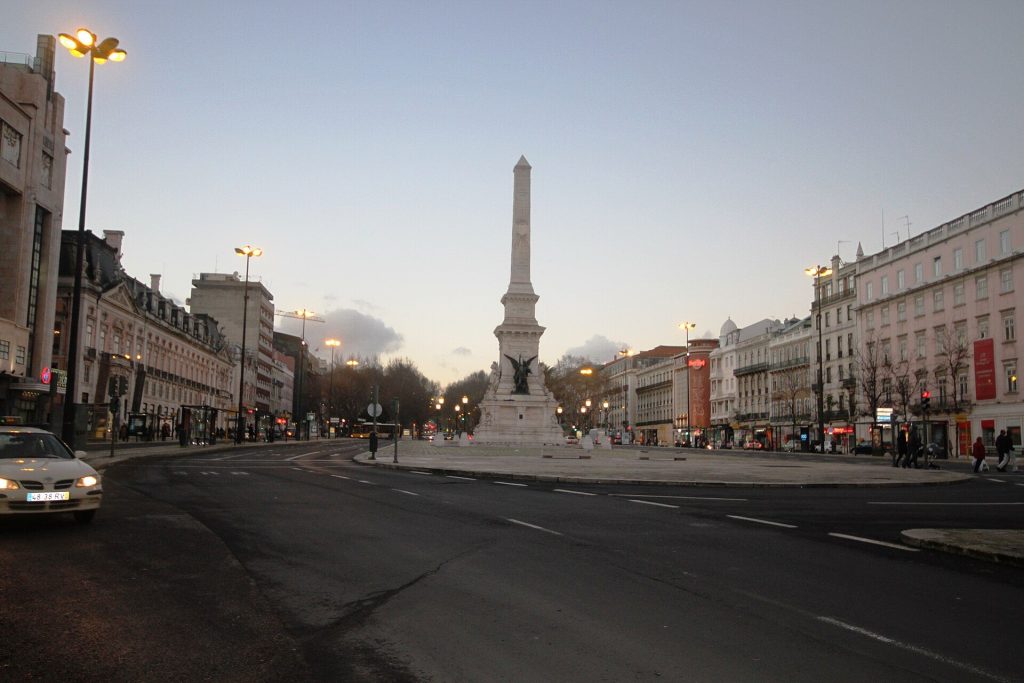
The number to remember in Portugal is 112, the free European emergency number for police, ambulance and fire, which connects to English-speaking operators. For non-urgent health questions, the national health service runs the SNS 24 line on 808 24 24 24, where nurses assess your symptoms and direct you to a pharmacy, a health centre or a hospital emergency department. Several Lisbon hospitals ask patients with non-urgent problems to call SNS 24 before arriving, which often saves hours of waiting.
Lisbon’s tourism police, the PSP Esquadra de Turismo, has its office in the Palácio Foz on Praça dos Restauradores, at the top of the Baixa, where officers who speak foreign languages help visitors who are victims of crime and issue police reports for insurance. The tourism police can also be contacted by email at lsbetur@psp.pt, and a further tourism police base is listed at the Jardim do Tabaco cruise terminal by Alfama. For anything urgent, call 112 rather than travelling to a station.
| Service | Number or place | Use it for |
|---|---|---|
| European emergency number | 112 | Police, ambulance and fire, free from any phone |
| SNS 24 health line | 808 24 24 24 | Medical advice and where to go for treatment |
| PSP tourism police | Palácio Foz, Praça dos Restauradores; lsbetur@psp.pt | Reporting theft, police reports for insurance |
| Hospital de São José | Rua José António Serrano, central Lisbon | Adult emergency department nearest the Old Town |
| Hospital Dona Estefânia | Rua Jacinta Marto | Children’s emergency department |
| Hospital de Santa Maria | Avenida Professor Egas Moniz | Large university hospital with emergency care |
| Pharmacies | Green cross signs across the city | Minor ailments; a rota of pharmacies opens overnight |
Visitors from the UK should travel with a Global Health Insurance Card or a valid European Health Insurance Card, and EU visitors with their EHIC, which cover necessary state treatment, but neither replaces proper travel insurance. Emergency departments in Lisbon’s public hospitals are under heavy pressure at busy times, and waits for non-urgent cases can be long, so calling SNS 24 first is the quickest route to the right care. Pharmacists in Portugal are highly trained and are often the best first stop for minor problems.
The UK government’s safety and security advice for Portugal is a good page to read before you travel, whatever passport you hold, because it is updated whenever conditions change and covers crime, the sea, wildfires and earthquakes in one place. We give every guest our own contact details on arrival, together with directions to the nearest pharmacy and hospital, and we are always happy to help with a phone call in Portuguese if anything goes wrong during your stay.
What Changes for Lisbon Travel Safety and Entry Rules in 2027?
The biggest recent change for visitors is at the border rather than on the streets. The EU’s Entry/Exit System, known as EES, has been fully operational at Portugal’s airports and sea ports since 10 April 2026. Travellers from outside the EU and Schengen area, including UK and US passport holders, now register their fingerprints and a facial photo on their first entry, replacing passport stamps. Lisbon airport saw queues of up to two hours during the spring 2026 rollout, so allow extra time on arrival in 2027, especially at Easter and in summer.
ETIAS, the EU’s online travel authorisation for visa-free visitors, is due to follow EES, but the start date had not been confirmed when we last checked on 19 November 2026. Before you book 2027 travel, check the official EU travel website for the latest position, and apply only through the official site once the system opens. On the safety side, the next Global Peace Index will be published in June 2027 and the next RASI report in spring 2027; nothing in the current data suggests Lisbon’s position will change.
Getting around will also change slightly. The Lisbon metro’s new Circular line, with stations at Estrela and Santos, is due to open in early 2027, which will reorganise the Green and Yellow lines and bring new signage. Expect a few weeks of adjustment around the opening, check your route on the Metropolitano de Lisboa website, and keep the usual eye on your bags in busy stations. The basics of staying safe in Lisbon will be exactly the same in 2027 as they are today.

A Note From Susan
“Our guests often arrive a little nervous after reading about pickpockets, and leave telling us Lisbon felt safer than home. My advice is simple: zip up your phone on Tram 28, wear good shoes for the cobbles, and choose a calm street to come home to. Ours is just around the corner from the Cathedral, and we are always on hand if you need anything at all.”
Susan, founder of Espais Roca
More to Explore in Lisbon
- Neighbourhood walks: Alfama, the old Moorish quarter, from the Cathedral to the castle walls
- Getting around: Tram 28 tips and timings for a seat and a calm ride
- Late nights: Pink Street bars and opening hours in Cais do Sodré
- Planning: Lisbon prices for 2026 for meals, transport and sights
“Espais Roca have a handful of holiday properties dotted across Europe and I can honestly say they all deliver such an amazing experience. The attention to detail is incredible.”
westlee wallace · Family holiday (Espais Roca brand)
Is Lisbon Safe? Frequently Asked Questions
Is Lisbon Safe To Visit In 2027?
Yes. Portugal placed 7th of 163 countries in the Global Peace Index 2026, and violent and serious crime in the Lisbon district fell 3.4% in 2025 according to the RASI report of 31 March 2026. The main risk for visitors is pickpocketing in crowded tourist areas and on public transport.
Is Lisbon Safe At Night?
Central Lisbon is safe at night for most visitors, and restaurants stay busy until about 11pm. Take more care after 1am in Bairro Alto, Pink Street and Cais do Sodré, avoid empty riverside paths alone, and use a taxi or ride-hailing car for longer journeys home.
How Bad Is Pickpocketing In Lisbon?
Pickpocketing is the most common crime affecting visitors. Portugal recorded 7,443 cases in 2025, up 7.7%, and 46% were in the Lisbon district. Keep phones and wallets in zipped front pockets, especially on Tram 28, on the metro and around Rua Augusta and Rossio.
Is Tram 28 Safe To Ride?
Tram 28 is safe to ride, but it is the best-known pickpocket spot in Lisbon because the historic trams hold few passengers and fill quickly. Board early in the morning or in the evening at Martim Moniz, sit if you can, and keep bags on your lap rather than behind you.
Which Areas Of Lisbon Should Tourists Be Careful In?
No central area needs to be avoided, but take more care around Martim Moniz and parts of Intendente after dark, and in Bairro Alto, Pink Street and Cais do Sodré after 1am. In the daytime, watch for pickpockets in the crowds of the Baixa, Rossio and Belém.
Is Lisbon Safe For Solo Female Travellers?
Yes, Lisbon is a comfortable city for women travelling alone. Stick to lit main streets after midnight, keep your phone charged, watch your drink in busy bars and use a taxi or app for journeys after dark. Call 112 in an emergency, and share your live location with a friend for extra reassurance.
Is Lisbon Safe For Families With Children?
Yes. Lisbon is very welcoming to children, and the main risks are steep hills, slippery stone pavements and trams in narrow streets. Bring a light pushchair or carrier, hold hands near tram tracks, and save 112 and the SNS 24 line, 808 24 24 24, in your phone.
What Is The Emergency Number In Lisbon?
Call 112 for police, ambulance or fire anywhere in Portugal; the call is free and English-speaking operators are available. For non-urgent medical advice, call SNS 24 on 808 24 24 24. The PSP tourism police office is in the Palácio Foz on Praça dos Restauradores.
Is The Tap Water In Lisbon Safe To Drink?
Yes. Lisbon’s tap water is supplied by EPAL, and the national water regulator ERSAR rated 98.84% of tap water in mainland Portugal as safe in its latest annual report. You can refill bottles from the tap rather than buying bottled water.
Stay on a Quiet Street in Lisbon’s Old Town
A 220 m² whole apartment with three bedrooms, two bathrooms, a full kitchen and a private rooftop terrace, a few minutes on foot from Lisbon Cathedral and Tram 28. Sleeps up to 9 plus 2 infants. Book direct for the best rate.
Check AvailabilityPhotos: Berthold Werner (Wikimedia Commons, CC BY-SA 4.0), Luca Boldrini (Wikimedia Commons, CC BY 2.0), Sonse (Wikimedia Commons, CC BY 2.0), Pedro Ribeiro Simões (Wikimedia Commons, CC BY 2.0), Roede (Wikimedia Commons, CC BY-SA 3.0), Sonse (Wikimedia Commons, CC BY 2.0), José Luiz (Wikimedia Commons, CC BY-SA 3.0), Flavio Ensiki (Wikimedia Commons, CC BY 2.0). Crime figures, emergency numbers and entry rules last checked 19 November 2026.