
The Short Answer
Planning your stay?
Luxury Apartment Stays at Casa Almada — check availability and book direct.
Yes, Lisbon is well worth visiting. You get world-class food at fair prices, a walkable old town, a river and coast on the doorstep, easy day trips and genuine warmth, all for less than Paris or Barcelona. The trade-offs are real too: steep hills, packed trams and summer crowds. Give it three or four days, come in spring or autumn if you can, and base yourself centrally so the city is yours on foot.
Insider Tip
Ride the famous Tram 28 before 9am or skip it as transport and treat it as a sightseeing loop. By mid-morning it is standing room only and a magnet for pickpockets. For the same hills and views with elbow room, walk the route instead and stop at the free miradouros along the way.
If you are weighing up a trip and wondering whether Lisbon is worth visiting, here is the honest answer from people who know the city street by street: yes, but go in with your eyes open. Lisbon has become one of Europe’s most popular short-break cities for good reasons, and a few of those reasons come with caveats worth knowing before you book.
The food is exceptional and still affordable. The light over the river at the end of the day is something you remember for years. The old quarters feel lived-in rather than staged. But the hills are no joke, the central trams are packed by 10am in summer, and a handful of tourist-trap streets will try to overcharge you if you let them.
This guide gives you the balanced picture: the genuine pros, the real cons, what the city is famous for, how many days you actually need, whether it is expensive, and who Lisbon suits best. By the end you will know whether it is right for your kind of trip.
The honest pros: why people fall for Lisbon
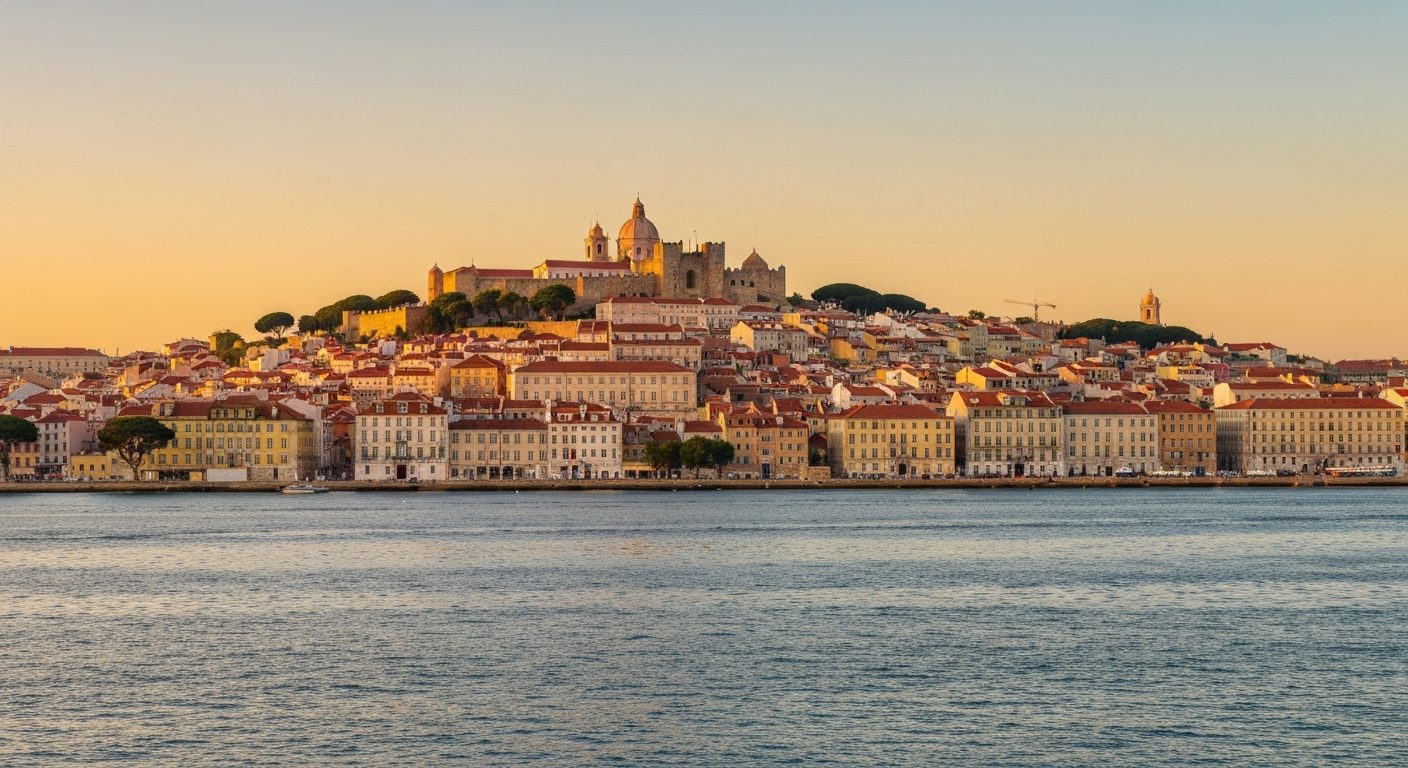
Lisbon earns its reputation. These are the things that consistently win visitors over, and none of them are marketing fluff.
- The food, at every price point. You can eat brilliantly for very little. A bifana (pork sandwich) runs around €3 to €4, a plate of grilled sardines a few euros more, a custard pastel de nata around €1.40. Then, when you want to splurge, the Time Out Market and a wave of modern tasting menus deliver food that rivals any capital in Europe.
- Genuine value. Lisbon is noticeably cheaper than Paris, Barcelona or Amsterdam. A good local lunch, a glass of wine, a metro ride and a coffee will not empty your wallet, even though prices have crept up since 2023.
- The weather. Around 290 days of sunshine a year. Spring and autumn are close to perfect, winters are mild rather than cold, and even January days are often bright enough for lunch outdoors.
- A walkable old town. Alfama, Baixa and Chiado fold into each other on foot. You can wander tiled lanes, stumble onto a viewpoint and end up at the river without ever needing a car.
- River and coast on the doorstep. The Tagus runs through the centre, and beaches at Cascais, Carcavelos and Costa da Caparica are a short train or ferry ride away.
- Day trips that justify the trip on their own. Sintra’s fairytale palaces, the cliffs at Cabo da Roca and the seaside town of Cascais are all under an hour out.
- It feels safe. Violent crime is rare and the city is comfortable to walk at night, including for solo travellers.
Add it all up and you have a capital that is beautiful without trying too hard, friendly without being touristy in the worst sense, and small enough to feel like yours after a couple of days. If you love food-led travel, viewpoints and historic neighbourhoods that still feel real, Lisbon delivers.
Ready to make Lisbon yours for a few days?
Check AvailabilityThe honest cons: what nobody puts on the postcard
No city is flawless, and pretending Lisbon is would not help you plan. Here is the other side of the ledger, so nothing catches you out.
- The hills are real. Lisbon was built on seven of them, and some climbs are genuinely steep. Cobbled, polished pavement makes it worse in the rain. Pack proper shoes and plan to use the funiculars, lifts and the odd Bolt or Uber.
- Tourist crowds at the famous spots. Tram 28, Belem Tower and the top miradouros get busy, especially July and August. Early starts and shoulder-season visits fix most of this.
- Packed trams. The vintage Tram 28 is iconic and almost always rammed. It is more a slow scenic ride than reliable transport, and it is a known pickpocket hotspot when full.
- The odd scam and overcharge. A few restaurants near the busiest squares pad the bill with unrequested couvert (bread, olives, cheese), which you can decline. Stick to side streets and you eat better for less.
- Rising prices. Accommodation and dining have edged up with the city’s popularity. It is still good value, but it is not the bargain it was a decade ago.
- Older buildings, limited air-con. Some accommodation in the historic centre lacks proper cooling, which matters in a August heatwave. Check before you book.
None of these are deal-breakers. They are the texture of a real, living city rather than a theme park. Knowing them in advance is the difference between mild surprise and mild annoyance.
What is Lisbon famous for?

If you have heard of Lisbon, you have probably heard of at least a few of these. They are the things that define the city and that you will want to fit into a first trip.
- Pastel de nata. The warm custard tart, dusted with cinnamon, is the city’s edible icon. Manteigaria in Chiado and the original Pasteis de Belem are the names everyone argues over.
- Fado. Portugal’s soulful, melancholic song, born in the bars of Alfama and Mouraria. An evening fado session is one of Lisbon’s most memorable experiences.
- Azulejos. The blue-and-white ceramic tiles that cover facades, churches and metro stations across the city.
- The miradouros. Dozens of free viewpoints perched on the hills, each with its own angle on the rooftops and the river.
- Tram 28. The canary-yellow vintage tram that rattles through the oldest quarters, a tourist ritual in its own right.
- Belem. Home to the Jeronimos Monastery and the Belem Tower, both UNESCO World Heritage sites tied to Portugal’s Age of Discovery.
- Sao Jorge Castle. The Moorish fortress crowning the city, with the widest views of all.
- Seafood and bacalhau. Grilled sardines, octopus and the famous salted cod that locals say has 365 recipes, one for every day.
Want the full local rundown rather than the greatest hits? Our guide to the best things to do in Lisbon goes well beyond the obvious and helps you build a trip around what you actually enjoy.
How many days do you need in Lisbon?
This is the question that shapes everything else. Too short and you spend your trip rushing between landmarks. Too long with no plan and you run out of headline sights before the day trips begin. Here is a realistic breakdown.
| Length of stay | What you can realistically do | Best for |
|---|---|---|
| 1 to 2 days | Alfama, Baixa, Chiado, a couple of miradouros, one fado dinner | A stopover or a taste of the city |
| 3 days | The above plus Belem, a proper food crawl and time to slow down | Most first-time visitors |
| 4 to 5 days | All the core sights plus a day trip to Sintra or Cascais and an afternoon at the beach | The sweet spot for a complete trip |
| 1 week or more | Everything above at a relaxed pace, multiple day trips, neighbourhoods most tourists miss | Slow travellers, repeat visitors, families |
For most people, three days is the floor and four or five is ideal. Three days lets you see the city properly without sprinting. A fourth day buys you Sintra or the coast without sacrificing Lisbon itself. If you want a tried-and-tested plan, our 3 days in Lisbon itinerary maps out a long weekend that hits the highlights at a human pace.
Is Lisbon expensive?

Compared with Western Europe’s headline capitals, no. Lisbon remains one of the better-value city breaks on the continent, particularly for food, coffee and getting around. Prices have risen with the city’s popularity, but you still get a lot for your money. Here is roughly what things cost in 2026.
| Item | Typical price |
|---|---|
| Pastel de nata | Around €1.40 |
| Bifana (pork sandwich) | €3 to €4 |
| Bica (espresso) | Around €1 |
| Casual local lunch with a drink | €12 to €18 |
| Single metro or tram ride | Around €1.85 |
| Short Bolt or Uber across town | €4 to €8 |
| Lisboa Card (24 hours) | Around €31 |
| Jeronimos Monastery entry | Around €18 |
| Sao Jorge Castle entry | Around €17 |
| Glass of house wine | €3 to €5 |
Where costs add up is accommodation in peak summer and the big-ticket attractions. A few easy moves keep the budget sensible: eat where the locals eat one street back from the squares, buy a Lisboa Card if you plan to hit several paid sights in a day, decline the couvert you did not order, and walk the flat riverside stretches rather than paying for short hops. Self-catering helps too, since a kitchen and a wine fridge mean you are not eating out for every single meal.
“Awesome lodging in the heart of the city. The service is six stars if that were possible. Susan and the team were incredibly kind and helpful. I would not stay anywhere else.”
Is Lisbon safe?
Yes. Lisbon is consistently rated one of the safer capitals in Europe, and violent crime against tourists is rare. The city is comfortable to walk after dark, including for solo and female travellers, and locals are quick to help if you look lost.
The one genuine risk is pickpocketing in crowded, touristy spots: the packed Tram 28, busy miradouros, Rossio and the metro at rush hour. The fix is simple. Keep your phone and wallet zipped away, wear a bag across your body, and stay aware in any crush of people. Do that and the odds of trouble are very low. You will also hear the occasional friendly offer of “something stronger” near Rossio and along certain side streets; a polite no is all it takes.
When is the best time to visit Lisbon?
Spring (April to June) and autumn (September to October) are the sweet spots. Warm but not sweltering, long bright days, thinner crowds and better prices than high summer. The light in those months is exactly what photographers come for.
Summer (July and August) is hot, busy and at its priciest, though the city empties a little in mid-August when locals head to the coast. Winter is mild rather than cold, with the lowest prices and the calmest streets, but pack a windbreaker for the breezy viewpoints and expect the occasional rainy spell. June is special for one reason in particular: the Santo Antonio festival fills Alfama with grilled sardines, music and street parties, the best time to see the old quarter at full tilt.
Who is Lisbon best for?
Lisbon is a flexible city, but it suits some travellers more naturally than others. Here is who tends to love it, and who should plan a little harder.
| Lisbon is a great fit if you are… | Plan carefully if you… |
|---|---|
| A food lover who likes eating well without overpaying | Have serious mobility limits (the hills and cobbles are demanding) |
| A couple after a romantic, walkable city break | Want guaranteed beach heat (the coast is close but the city is not a resort) |
| A family wanting space, beaches and easy day trips | Dislike any crowds at all in peak summer |
| A solo or female traveller wanting a safe, friendly base | Expect a big-hitting nightlife capital over a relaxed evening scene |
| A culture and history fan drawn to fado, tiles and castles | Need everything air-conditioned and modern |
Families in particular do well here. The beaches, the trams, the castle and the pastries keep children happy, and a whole-apartment base with room to spread out beats cramming everyone into hotel rooms. Speaking of which, where you stay shapes the whole trip.
Where to stay to get the most out of Lisbon
The single biggest thing you can do to make Lisbon feel easy is base yourself centrally. When the old town is on your doorstep, the hills and the crowds matter far less, because you walk out the door and you are already there. No long commutes, no missing the good morning light, no late-night taxi back across the city.
Casa Almada sits on Rua do Almada beside Cais do Sodre, a short walk from the river, the Time Out Market and the famous Pink Street. It is a 220 m² whole apartment with three bedrooms, original Lisbon art on the walls, a fully equipped kitchen, a wine fridge and a rooftop terrace with panoramic views across the city skyline, your own private answer to the miradouro question at the end of a long day. With space for up to nine guests plus a baby cot, high chair and toddler beds, it is built for families and groups who want room to breathe. If you would rather settle into a luxury Lisbon apartment than juggle hotel rooms, this is the kind of base that turns a good trip into a great one.
Stay in the heart of Lisbon
Casa Almada is a luxury whole apartment in central Lisbon with a rooftop terrace, original local art and room to sleep up to nine. Book direct for the best rate and no booking fees.
Check Dates & Book DirectThe verdict: is Lisbon worth visiting?
Without hesitation, yes. Lisbon is one of the best-value, most rewarding city breaks in Europe right now. The food alone justifies the flight, the light and the views stay with you, and the mix of river, coast, history and easy day trips means you can shape the trip around whatever kind of traveller you are.
Go in clear-eyed about the hills, the summer crowds and the packed trams, give it three to four days, lean into spring or autumn if your calendar allows, and base yourself centrally so the city is yours on foot. Do that and Lisbon will almost certainly end up on your list of places to return to. It tends to.
Frequently Asked Questions
Is Lisbon worth visiting?
Yes. Lisbon offers world-class food at fair prices, a walkable historic centre, a river and beaches nearby, easy day trips to Sintra and Cascais, and a real sense of safety, all for less than most Western European capitals. The trade-offs are steep hills, packed trams and summer crowds, but for most travellers the pros clearly win.
How many days do you need in Lisbon?
Three days is the comfortable minimum to see the city without rushing. Four or five is the sweet spot, giving you the core sights plus a day trip to Sintra or the coast. One or two days works only as a stopover or a quick taste.
Is Lisbon expensive?
Not by Western European standards. Expect around €1.40 for a pastel de nata, €3 to €4 for a bifana, €12 to €18 for a casual lunch and roughly €1.85 for a metro ride. Accommodation in peak summer and major attractions are where costs add up, but eating one street back from the tourist squares keeps the budget low.
What is Lisbon famous for?
Pastel de nata custard tarts, soulful fado music, blue azulejo tiles, the yellow Tram 28, dozens of hilltop miradouro viewpoints, the UNESCO sites at Belem, Sao Jorge Castle and outstanding seafood including grilled sardines and bacalhau.
Is Lisbon safe?
Yes, Lisbon is one of the safer capitals in Europe and comfortable to walk after dark, including for solo and female travellers. The main risk is pickpocketing in crowded spots like Tram 28 and busy viewpoints, so keep valuables zipped away and wear a cross-body bag.
What is the best time to visit Lisbon?
Spring (April to June) and autumn (September to October) are ideal: warm, bright, less crowded and better value than high summer. July and August are hot and busy, while winter is mild with the lowest prices but the occasional rainy, windy day. June brings the lively Santo Antonio street festival.
Is Lisbon better than Porto?
They suit different trips. Lisbon is bigger, sunnier and better connected, with more variety, beaches nearby and stronger day trips. Porto is smaller, more compact and famous for its river and port wine cellars. For a first visit to Portugal with the widest range of things to do, Lisbon usually edges it.
Is Lisbon good for families?
Very. Beaches at Cascais and Carcavelos, the trams, Sao Jorge Castle, the oceanarium and endless pastries keep children happy, and the city is safe and walkable. A whole-apartment base with a kitchen and space to spread out works far better for families than juggling several hotel rooms.
Do people speak English in Lisbon?
Widely, yes. English is spoken in most restaurants, shops, hotels and tourist sites, and younger Portuguese in particular speak it well. Learning a few words of Portuguese is appreciated, but you will have no trouble getting by in English across the city.