
TL;DR
Lisbon is one of Western Europe’s more affordable capitals, cheaper than Paris, London or Amsterdam, though prices have risen. A mid-range traveller spends roughly €120 to €180 a day. Everyday costs stay low: a coffee is about €1, a beer €2 to €3. Accommodation is the biggest cost, so where you stay makes the largest difference.
Planning your stay?
Luxury Apartment Stays at Casa Almada — check availability and book direct.
This guide breaks down real 2026 prices for food, drink, transport, hotels and attractions, with daily budgets and tips to visit for less.
Insider Tip
The biggest saving in Lisbon is where you eat lunch. Order the prato do dia, the daily special, at a small tasca a street back from the squares. You get a hearty plate, often with soup or coffee included, for €8 to €12, half what the same food costs on a tourist terrace. Do that once a day and your food budget quietly halves.
Is Lisbon expensive? It is one of the first questions people ask, and the honest answer is: less than most Western European capitals, but more than it used to be. Portugal remains cheaper than France, the UK or the Netherlands, yet a decade of popularity has pushed up prices in the centre, especially for hotels and anything close to the main sights.
The good news is that everyday costs, a coffee, a plate of grilled fish, a glass of wine, a metro ride, are still gentle by European standards. Where your money really goes is on accommodation, and that is the one area where a little planning saves the most.
Is Lisbon expensive? The short answer

For most visitors, Lisbon feels good value. You can eat well for little, drink excellent wine for the price of a soft drink elsewhere, and get around on cheap public transport. Compared with Paris, London or the Nordic capitals, your daily spend goes noticeably further. The caveat is the centre, where hotels in Baixa, Chiado and Alfama have climbed sharply. The trick is to spend like a local on food and transport while being smart about where you sleep.
Travelling as a family or group?
Casa Almada sleeps up to 9 in one central apartment, which spreads the cost of a great location across everyone. Check dates and book direct.
Check availabilityFTC disclosure: links to our own apartment booking page.
How much does a trip to Lisbon cost per day?
Here is a realistic guide to daily spend per person in 2026, excluding flights. Accommodation assumes two people sharing.
| Travel style | Daily budget (per person) | What it covers |
|---|---|---|
| Budget | €60 to €80 | Hostel or simple room, café meals, public transport, a few free sights |
| Mid-range | €120 to €180 | Comfortable hotel or apartment, restaurant meals, paid attractions |
| Luxury | €250 and up | Four or five-star stays, fine dining, private tours |
Families and groups can shift these numbers a lot by sharing accommodation. A single apartment that sleeps everyone, with a kitchen for breakfasts, often works out cheaper per head than separate hotel rooms. If you are weighing up areas, our guide to where to stay in Lisbon compares the neighbourhoods.


Food and drink prices in Lisbon
This is where Lisbon still feels like a bargain. Eat where locals eat, a block or two off the main squares, and you will spend little for very good food.
- Espresso (bica) at the counter: €0.80 to €1
- Pastel de nata: €1.30 to €1.50
- Local beer (imperial): €2 to €3
- Glass of house wine: €3 to €5
- Prato do dia (lunch special): €8 to €12
- Dinner for two with wine: €40 to €60
Self-catering saves more still. Supermarkets like Pingo Doce sell excellent bread, cheese, fruit and wine for a fraction of restaurant prices. For where to eat out well without overpaying, our guide to the best restaurants in Lisbon keeps you off the tourist traps.
Transport costs: getting around Lisbon
- Single metro or bus on a Viva Viagem card: about €1.80 (the card is €0.50)
- 24-hour travel pass: about €6.80
- Tram 28: €3 onboard, or €1.65 on a card
- Airport to the centre by taxi: €15 to €20
- Train to Sintra: about €2.40 each way
- Train to Porto on the Alfa Pendular: €25 to €35
The single biggest transport saving is simple: stay central and walk. If your base is in the Old Town, you can reach the castle, the river and the main districts on foot. Our Lisbon metro map guide covers the lines for the journeys you do need, and the Lisbon to Porto train guide has the detail if you head north.
Accommodation and attraction costs
Accommodation is where Lisbon has become genuinely pricey. Expect a hostel bed from around €25 a night, a mid-range central hotel room from €120 to €200, and a four or five-star hotel from €250 upwards, more in peak season from May to September. Apartments change the maths for families: one apartment with a kitchen usually beats several hotel rooms on both space and cost.
Sightseeing is gentle on the budget. Many of Lisbon’s best moments are free.
- São Jorge Castle: about €15
- Santa Justa Lift: around €5.30 return, or free with a 24-hour transport pass. See our Santa Justa Lift guide
- Jerónimos Monastery, Belém: about €12
- Oceanário de Lisboa: around €25
- Miradouros (viewpoints): free, and among the best experiences in the city
How to visit Lisbon on a budget
- Eat where the menus are in Portuguese and a block back from the squares.
- Order the prato do dia at lunch, the best-value meal of the day.
- Buy a Viva Viagem card and top it up rather than paying onboard.
- Stay central and walk, so you rarely pay for transport at all.
- Share one apartment as a group and self-cater breakfast.
- Visit the free miradouros for the views everyone photographs.
- Travel in spring or autumn, when accommodation is cheaper than high summer.
Compared with Paris, London, Amsterdam or the Nordic capitals, Lisbon remains one of the better-value capital breaks in Western Europe, particularly if you eat local and choose your accommodation well.
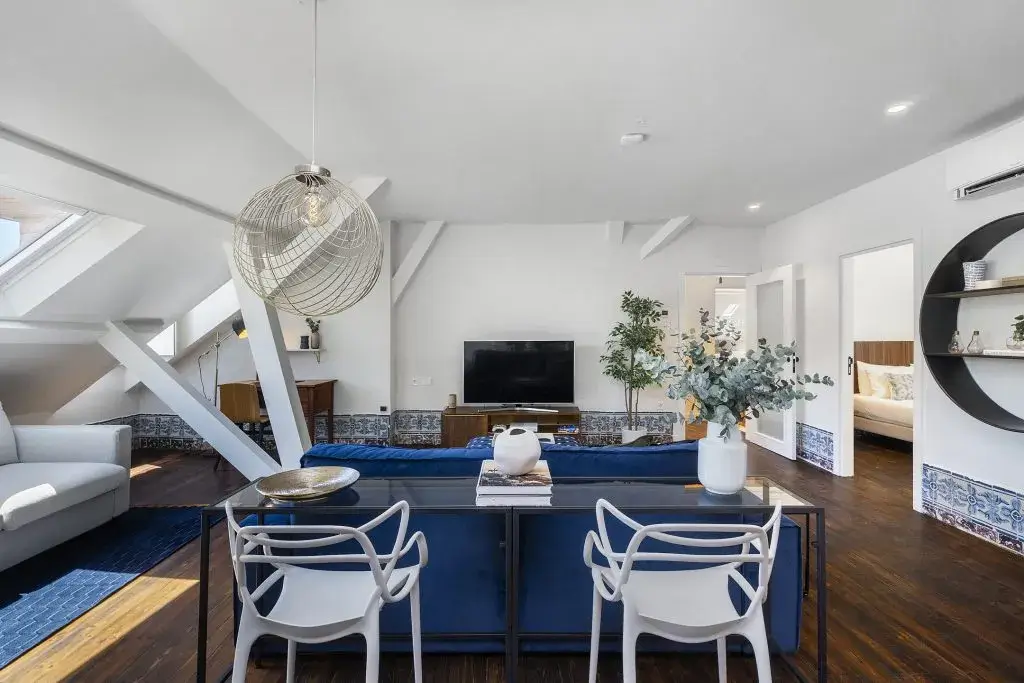
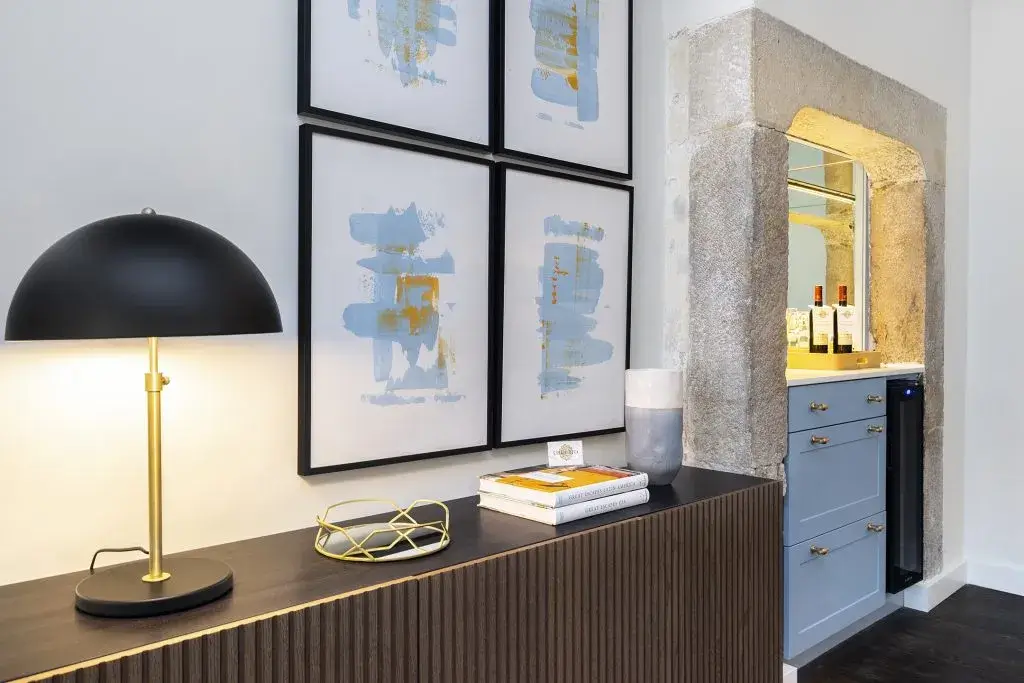
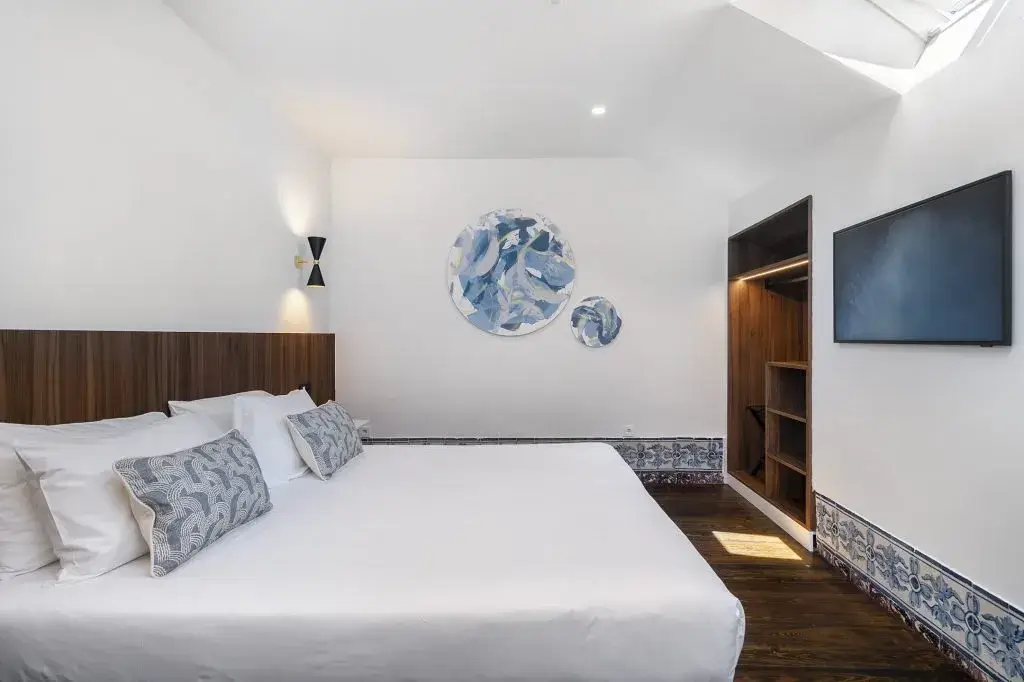
See inside Casa Almada

FTC disclosure: links to our own apartment booking page.