
At A Glance
Planning your stay?
Apartment in Lisbon's Old Town — check availability and book direct.
Lisbon in winter is mild and full of light, with afternoon highs of 15 to 18°C from November to February, roasted chestnuts on the street corners, Christmas lights in December and long, slow lunches in the Old Town.
- Average highs: 18.1°C in November, 15.4°C in December, 15.1°C in January, 16.4°C in February
- February is the sunniest and driest winter month, with around 175 hours of sunshine
- Highlights: São Martinho on 11 November, the Christmas lights, New Year’s Eve at Praça do Comércio and Dia de Reis on 6 January
- Sintra and Óbidos make easy winter day trips by train and bus
- Casa Almada has heating and air conditioning throughout, with Tram 28 at the bottom of the street
Lisbon in winter is the city at its most generous. The light turns gold by mid-afternoon, chestnut sellers set up their smoking carts on the squares, and the tiled facades of the Old Town glow after a shower. Days are mild rather than cold, and the pace slows to long lunches, museum mornings and evenings in a fado house. Our guide to the best time to visit Lisbon covers every month of the year, and November to February has a character all of its own.
From the Old Town, winter Lisbon is right on your doorstep. You can walk up through Alfama’s lanes to a viewpoint in the morning, spend the afternoon inside a tiled museum, and be back home before the lights come on across the river. We host guests at Casa Almada right through the winter, and many of them tell us it was the Lisbon they had been hoping to find.
Planning a winter stay? Casa Almada is a 220 m² whole apartment in Lisbon’s Old Town with three bedrooms, two bathrooms, heating throughout and a private rooftop terrace. Sleeps up to 9 plus 2 infants.
Check Winter DatesLisbon Weather in Winter: What to Expect From November to February
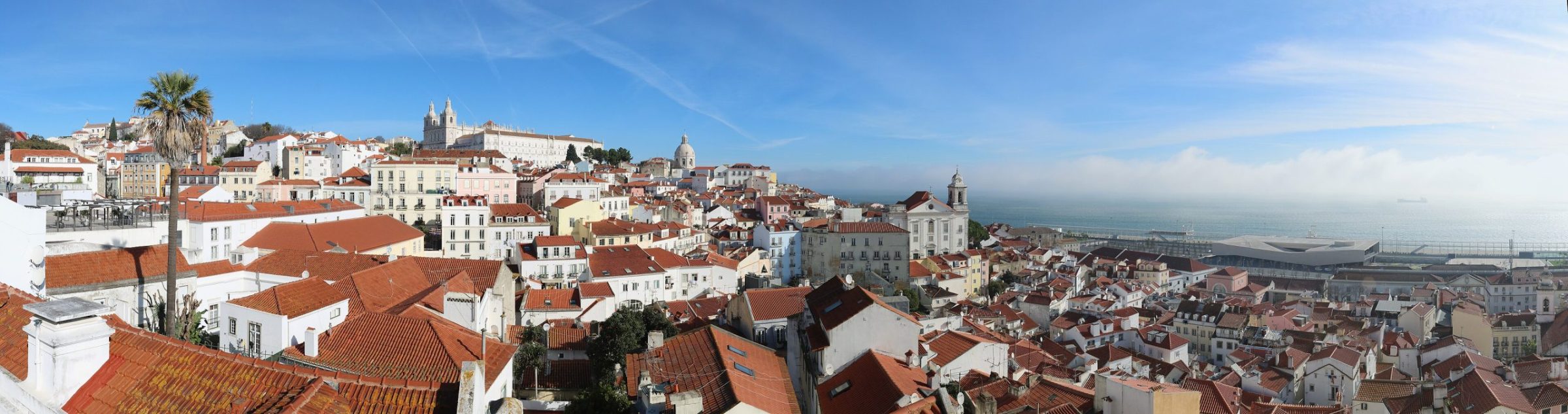
Alfama and the Tagus from the Miradouro de Santa Luzia on a January morning. Photo: Ingo Mehling, CC BY-SA 4.0.
Lisbon has one of the mildest winters of any European capital. The Atlantic keeps frost away from the city, afternoons regularly reach the mid-teens, and a sunny January day on a sheltered viewpoint can feel like spring. What winter does bring is rain, usually in bursts that roll in off the ocean and clear again within a few hours, so a Lisbon winter day is often a mix of bright spells and showers rather than a washout.
The figures below are the long-term averages recorded by IPMA, Portugal’s national weather service, at its Lisbon station for 1991 to 2020. November is the wettest month and the warmest, December and January are the coolest, and February is the sunniest and driest of the four.
| Month | Average high | Average low | Rainfall | Rainy days | Sunshine | Sea temperature |
|---|---|---|---|---|---|---|
| November | 18.1°C | 11.8°C | 134 mm | 10 | 163 hours | 18.1°C |
| December | 15.4°C | 9.4°C | 109 mm | 10 | 150 hours | 16.5°C |
| January | 15.1°C | 8.6°C | 104 mm | 10 | 159 hours | 15.7°C |
| February | 16.4°C | 9.1°C | 78 mm | 8 | 175 hours | 15.2°C |
Evenings are the coolest part of the day, and old stone buildings hold the damp, which is why a well heated base matters more in Lisbon than the thermometer suggests. The days are short too. In mid-December the sun rises just before 07:50 and sets at about 17:15, so plan your viewpoints and outdoor walks for the late morning and early afternoon, when the light is at its best.
Lisbon in November: Chestnuts, São Martinho and Autumn Light
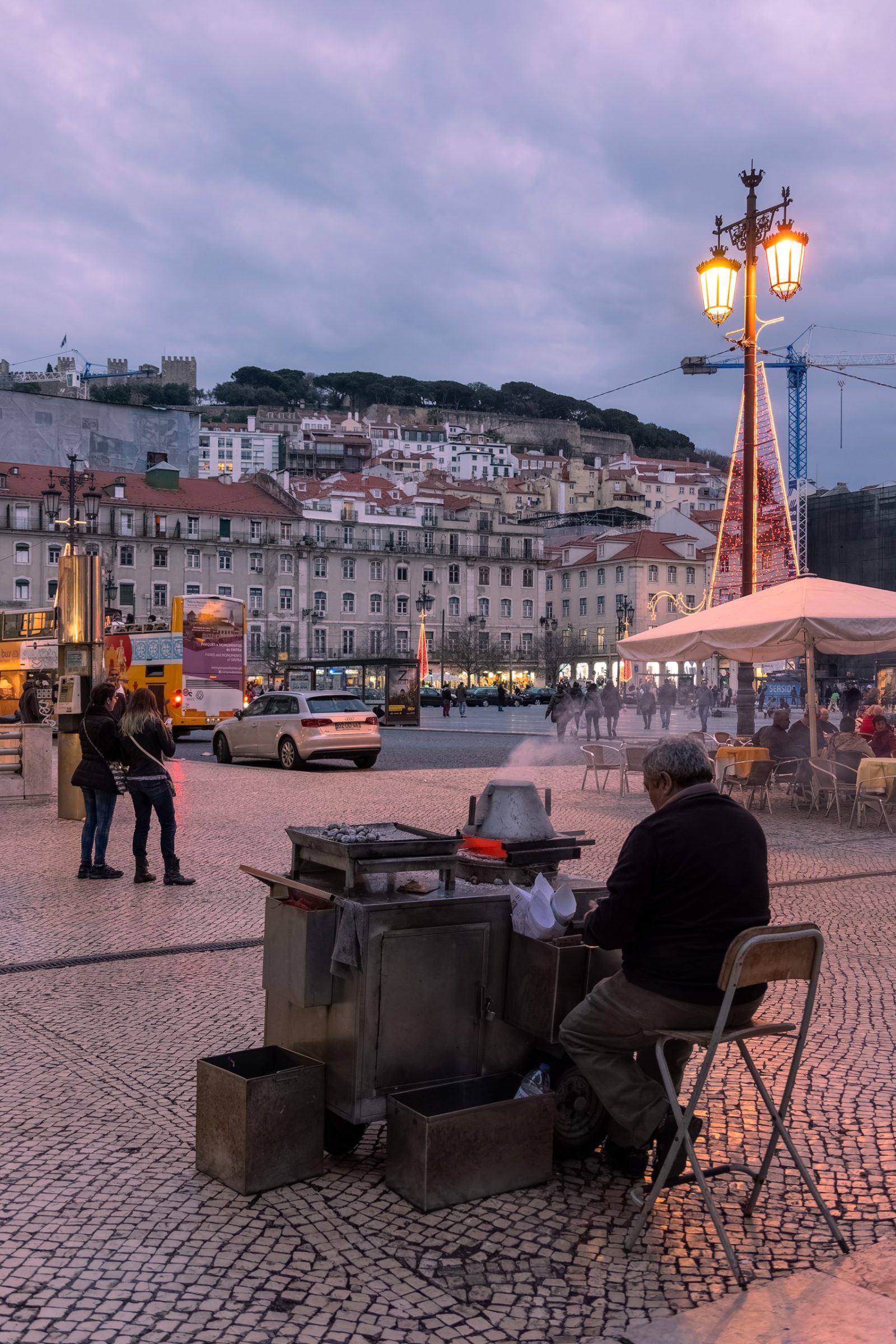
A roasted chestnut cart at dusk in Praça da Figueira. Photo: Jules Verne Times Two, CC BY-SA 4.0.
November is the gentlest way into a Lisbon winter. Afternoons still reach around 18°C, the sea is at its warmest of the season, and the whole city smells of roasting chestnuts. The carts appear on Praça da Figueira, the Rossio and the corners of the Baixa, and a paper cone of hot castanhas is the snack every local reaches for on the walk home.
The chestnuts peak on 11 November, the feast of São Martinho. Families gather for a magusto of roasted chestnuts with água-pé or jeropiga, two young, sweet wines of the season, and there is often a spell of warm, settled weather around the date that the Portuguese call St Martin’s Summer. It is a lovely week to be in the city, with tascas chalking chestnut dishes on their boards.
November is also a month of big events. The Web Summit brings the technology world to the MEO Arena and the FIL in Parque das Nações from 9 to 12 November 2026, and LEFFEST, the Lisboa Film Festival, runs from 6 to 15 November 2026. If your dates overlap with the Web Summit, book your stay and restaurants early, as the city fills up that week.
Lisbon in December: Christmas Lights, Markets and New Year’s Eve
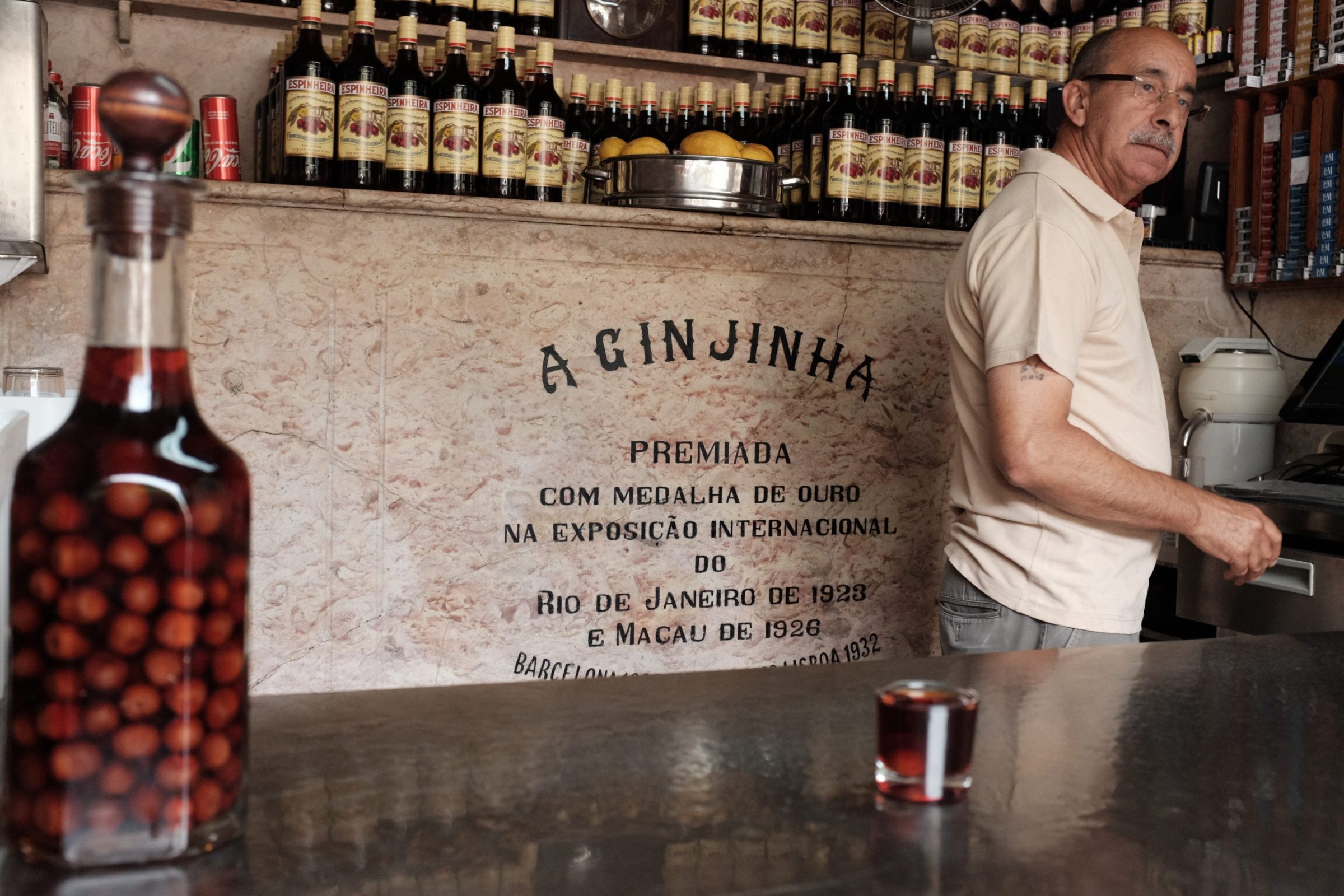
A glass of ginjinha at the A Ginjinha bar, a short walk from the Rossio. Photo: tomislav medak, CC BY-SA 2.0.
Lisbon in December is the city dressed up for Christmas. In 2025 the lights were switched on on 22 November, with around 182 km of LEDs strung across 46 locations, from the Baixa and the Chiado to the Rossio and the Avenida da Liberdade. A 30 metre Christmas tree stands in Praça do Comércio, and the Christmas market on the Rossio runs through most of the month, a ten minute walk from the Old Town.
Evenings are made for wandering under the lights with a ginjinha, the sour cherry liqueur poured in tiny glasses at the counter bars around the Rossio, and a plate of something warm afterwards. The celebrations peak on New Year’s Eve, when a free concert fills the Terreiro do Paço on Praça do Comércio and fireworks burst over the Tagus at midnight.
Plan around the holidays. São Jorge Castle closes on 24, 25 and 31 December, and the Jerónimos Monastery and Belém Tower close on 25 December, so save the big monuments for the days in between. Restaurants fill for Christmas Eve and New Year’s Eve, and the best tables are reserved weeks ahead.
Lisbon in January: Dia de Reis, Museums and Long Lunches
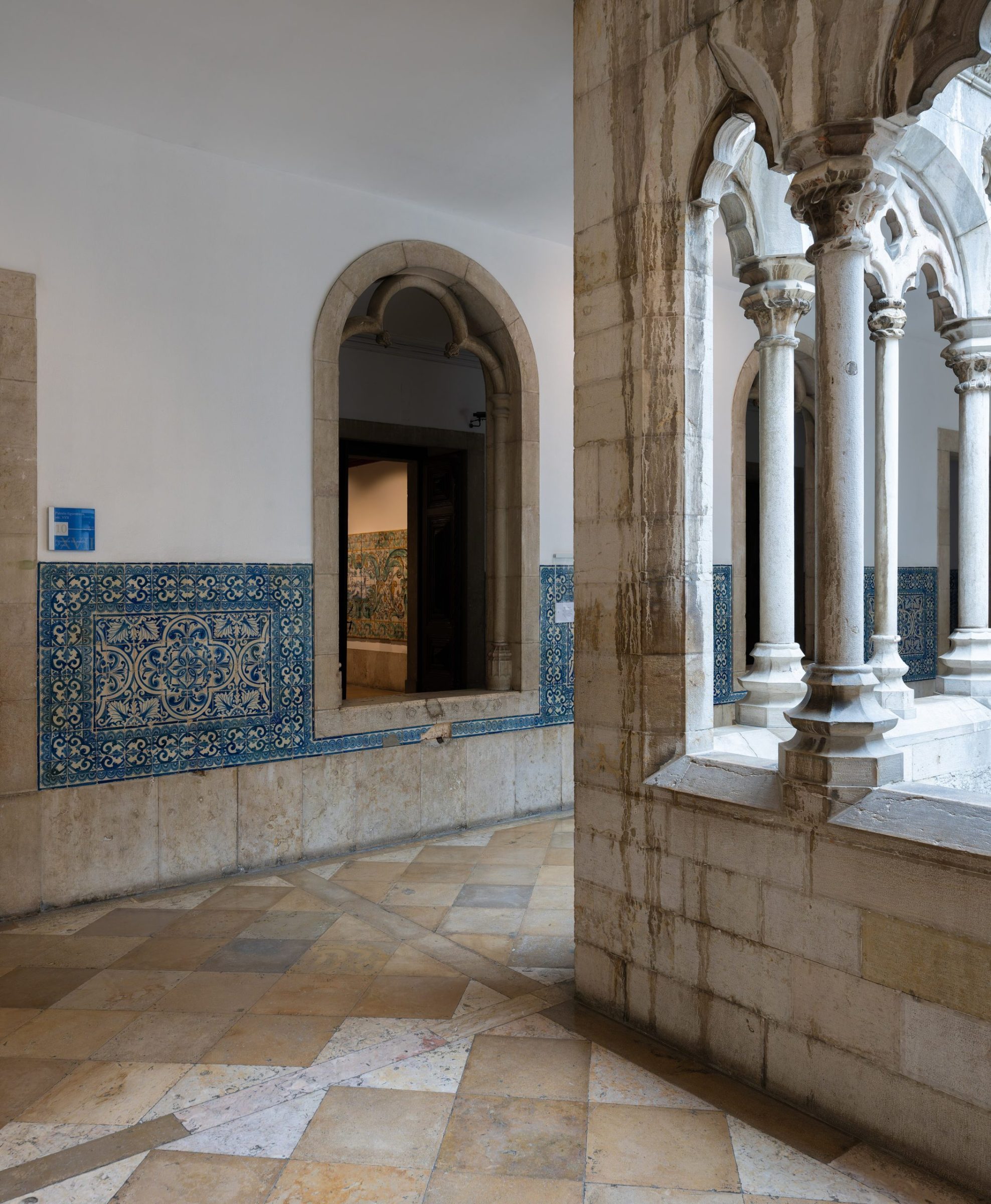
The small cloister of the Museu Nacional do Azulejo. Photo: Jules Verne Times Two, CC BY-SA 4.0.
Lisbon in January begins with one last festive treat. Dia de Reis on 6 January marks the Epiphany, the day the last slices of bolo-rei are shared and children go door to door singing the janeiras. After that the decorations come down and the city settles into its crispest, clearest month, with the coolest nights of the year and bright, low sun on the good days.
January is museum month. The Museu Nacional do Azulejo tells the story of Portugal’s painted tiles inside a former convent, the Gulbenkian holds one of Europe’s finest private art collections in its garden setting, and the Castle and the Cathedral are at their most atmospheric under a pale winter sky. A short walk from the apartment, the Lisbon Cathedral makes a good start to any Old Town morning.
The long lunch is the other great January pleasure. Menus turn to cozido à portuguesa, bean stews, grilled fish and bowls of caldo verde, and the neighbourhood tascas fill with locals at one o’clock. Evenings are for fado, and our guide to the best places to see a fado show in Lisbon covers the houses we recommend most.
Lisbon in February: Carnival, Sunshine and Longer Days
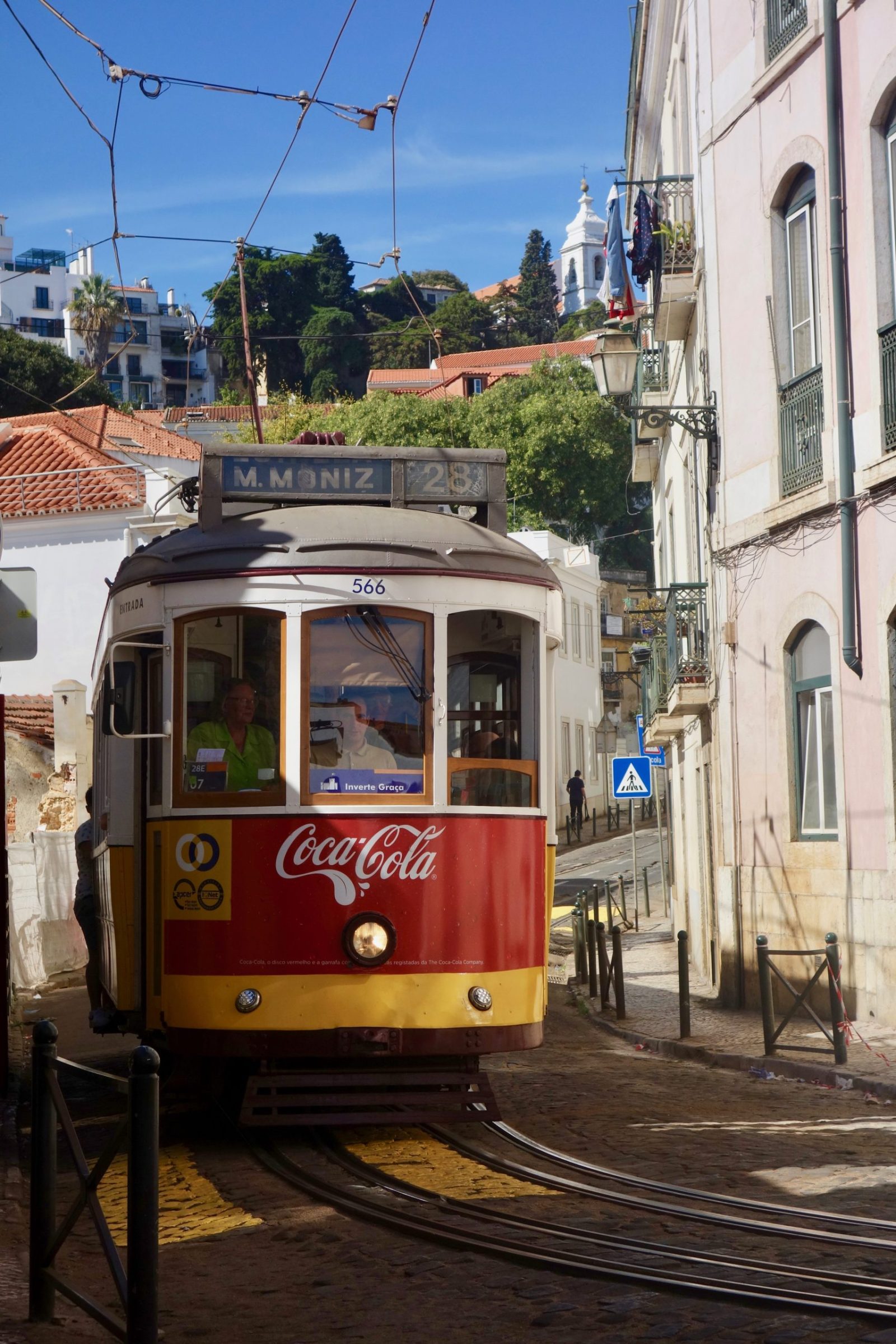
Tram 28 climbing through Alfama. Photo: Sonse, CC BY 2.0.
Lisbon in February is when the city starts to lean towards spring. It is the sunniest and driest of the winter months, with around 175 hours of sunshine and the lowest rainfall of the season, and the evenings stretch out noticeably by the end of the month. Terraces and viewpoints come back to life, and a coffee outside in the afternoon sun is a real possibility.
Carnival falls in February, with Carnival Tuesday on 9 February 2027. Many Portuguese towns hold parades over the long weekend, and children dress up for school parties in the days before. In the city it is a lively, colourful moment rather than a single big event, and a good excuse for a day out beyond Lisbon.
February is also the ideal month for the classic sights. Ride Tram 28 through Alfama and the Graça hill, climb to the ramparts of the Castelo de São Jorge for the view across the rooftops, and walk back down through the Old Town as the light fades.
Things to Do in Lisbon in Winter When It Rains
A rainy day in Lisbon is a good excuse to see the city from the inside. Most of the best indoor sights are within a short tram, metro or taxi ride of the Old Town, and the showers rarely last all day, so keep a light plan and step out when the sky clears.
1. Museu Nacional do Azulejo
Portugal’s national tile museum is housed in the Madre de Deus convent, east of the centre, and traces five centuries of azulejos from Moorish geometric patterns to modern designs. Its gilded chapel and the long tiled panorama of Lisbon before the 1755 earthquake are two of the most memorable rooms in the city.
Allow two hours and finish with lunch in the museum café. It is an easy taxi ride from the Old Town, and a perfect choice for a grey morning.
2. Oceanário de Lisboa
The Oceanário in Parque das Nações is one of Europe’s largest aquariums, built around a vast central tank of sharks, rays and shoals of silver fish. Children love it, and adults tend to linger just as long by the sea otters and the drifting sunfish.
The metro takes you straight to Oriente station, a short walk away. Go early in the day during school holidays, and pair it with a walk along the riverside promenade if the rain eases.
3. The Time Out Market
The Mercado da Ribeira at Cais do Sodré is the city’s best-known food hall, with dozens of stalls from Lisbon chefs under one roof. On a wet day it is warm, lively and the easiest way to taste your way through Portuguese cooking in a single lunch.
Opening hours run from 10:00 until late every day, and the popular stalls build queues at lunchtime. Arrive before one o’clock or after three to find a table.
4. A Fado Evening in Alfama
Fado was made for winter nights. In the small restaurants of Alfama and the Mouraria, the lights go down between courses and a singer and two guitarists perform a few songs of longing and loss before the dinner carries on.
Book ahead on Fridays and Saturdays, and choose a small house rather than a large show if you want the real atmosphere. From Casa Almada, the best of them are a short walk uphill.
Day Trips From Lisbon in Winter: Sintra and Óbidos
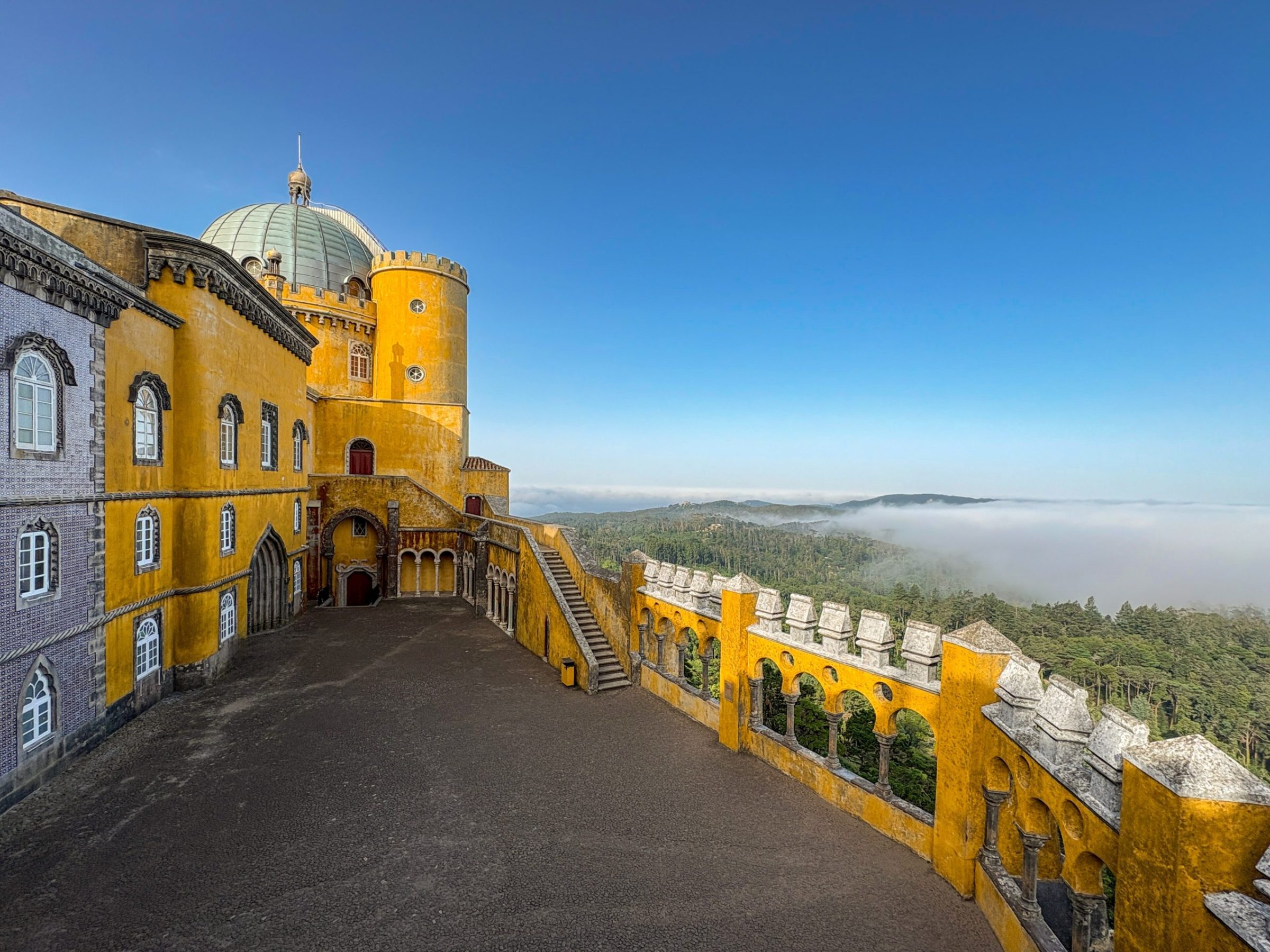
Pena Palace above the morning mist in Sintra. Photo: Dale Cruse – 10M views from San Francisco, CA, USA, CC BY 4.0.
Sintra is at its most magical in winter. Mist drifts through the forested hills, the palaces rise out of the clouds, and the moss on the old stone walls turns a deep green after the rain. The train from Rossio station takes about 40 minutes, and our guide to things to do in Sintra covers the palaces, the walks and the best order to see them in.
Óbidos is the other great winter escape. The walled medieval town north of Lisbon hosts Óbidos Vila Natal, a Christmas village inside the castle walls, which in 2025 ran from 28 November to 4 January with tickets at €10 for adults and €8 for children. Our Óbidos day trip guide explains the bus from Campo Grande and how to plan the day.
What to Pack for Lisbon in Winter
Lisbon winters call for layers rather than heavy coats. The streets are steep, cobbled and slippery after rain, and the temperature can swing from a cool morning to a warm, sunny afternoon, so pack for comfort on your feet and flexibility on top.
Your Lisbon Winter Packing List
- Shoes with good grip: the polished limestone pavements are slippery when wet
- A waterproof jacket with a hood: more useful than an umbrella in the Atlantic wind
- Warm layers: a jumper or light fleece for evenings around 9°C
- A scarf: for the viewpoints and a cool evening on the river
- Sunglasses: the low winter sun is bright on clear days
- A small day bag: for layers you shed by the afternoon
Everything else, from a hairdryer to a fully equipped kitchen, is waiting at the apartment, so you can travel light and leave room for a bottle of port on the way home.
Why an Old Town Apartment Works for Lisbon in Winter

The living room at Casa Almada.
In winter, where you come back to at the end of the day matters as much as what you see. Casa Almada is a 220 m² whole apartment in the heart of the Old Town, with Tram 28 at the bottom of the street and the Cathedral around the corner. The rooms have air conditioning and heating throughout, the lounge faces south and catches the low winter sun all afternoon, and the private rooftop terrace is lovely for a coffee on a mild, bright day.
The space is what makes the difference on a wet afternoon. There are three bedrooms with super-king beds that split into singles, two bathrooms, a fully equipped kitchen for slow breakfasts and a home-cooked dinner, blackout blinds, and Netflix and Disney+ for the evenings when you would rather stay in. Families and groups of friends can spread out, and the apartment sleeps up to 9 guests plus 2 infants.
Being in the Old Town means you can walk out of the door and straight into the city. The Castle, Alfama and the Baixa are all within a short walk, so you can dash out between showers and be home again in minutes. For more on staying with us through the cooler months, see our off-season stays in Lisbon.
Casa Almada Gallery: Your Winter Home in Lisbon
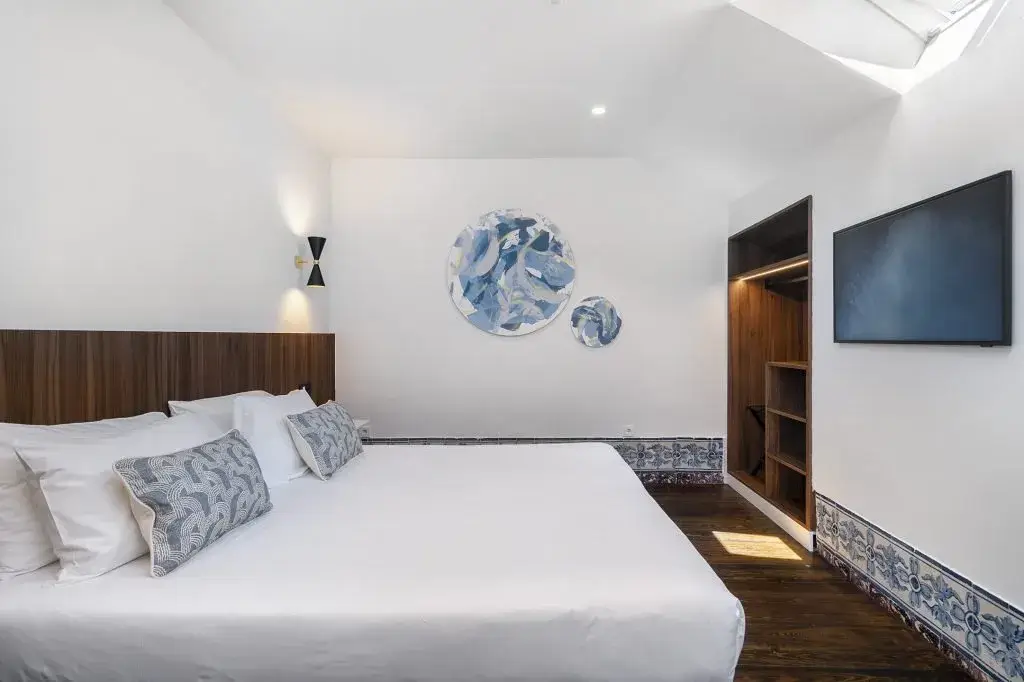
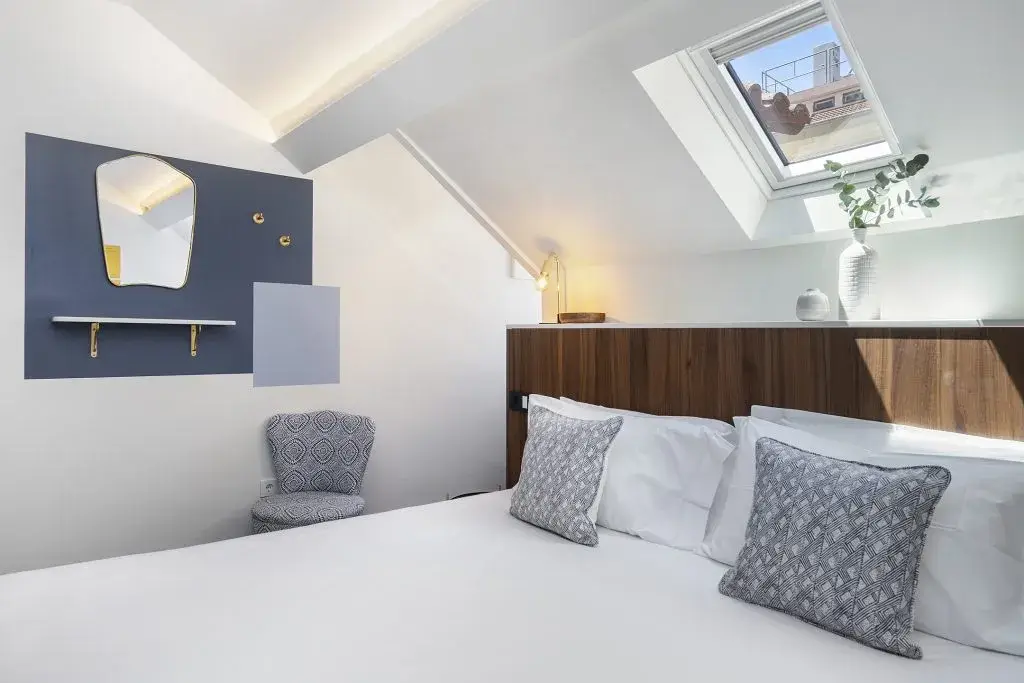
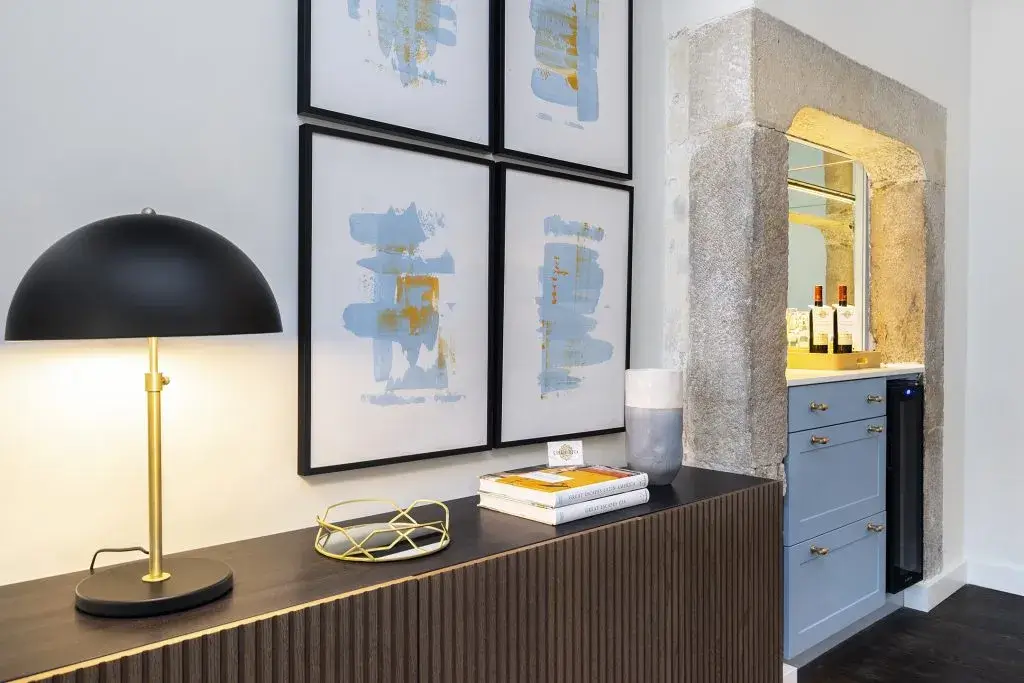
A 220 m² Old Town apartment with three bedrooms, two bathrooms, heating throughout and a private rooftop terrace. Tap any photo to check winter dates.



A Note From Susan
“Winter is when I love Lisbon most. The light over Alfama in January is extraordinary, the chestnut sellers are out on every square, and there is nothing better than a long lunch followed by an afternoon in the Azulejo museum. Bring good shoes and a waterproof, and let us know what you love to do. We will happily point you to our favourite fado houses and tascas.”
Susan, founder of Espais Roca
“What a fabulous time we had in Lisbon! This property is beautiful, well-equipped, and in the perfect location to walk to all the major sites and fabulous restaurants. Susan is a fantastic, responsive host.”
Karyn W. · ★★★★★ Stayed at Casa Almada
Lisbon in Winter: Frequently Asked Questions
What Is The Weather Like In Lisbon In Winter?
Mild. Average highs run from 18.1°C in November to 15.1°C in January, with lows of around 9°C from December to February. Rain comes in short bursts rather than all day, with about 10 rainy days a month from November to January.
Is Lisbon Worth Visiting In Winter?
Yes. Winter brings mild afternoons, Christmas lights, chestnut sellers and long lunches, and the museums, fado houses and viewpoints are at their most atmospheric. February is the sunniest winter month, with around 175 hours of sunshine.
Does It Snow In Lisbon?
Snow in Lisbon itself is extremely rare. Even in January, the coolest month, the average low is 8.6°C, and frost in the city centre is uncommon.
What Is Lisbon Like In December?
Festive and bright. In 2025 the Christmas lights were switched on on 22 November, the Rossio Christmas market ran until 21 December and a 30 metre tree stood in Praça do Comércio. Average highs are 15.4°C, and the year ends with a free concert and fireworks over the Tagus.
What Should I Wear In Lisbon In Winter?
Pack layers, a waterproof jacket with a hood and shoes with good grip, as the limestone pavements are slippery when wet. Evenings average around 9°C, so a warm jumper and a scarf are useful.
Is January A Good Time To Visit Lisbon?
Yes, especially for museums, fado and food. January starts with Dia de Reis on 6 January, averages 15.1°C by day and has around 159 hours of sunshine, with plenty of bright, clear days.
Which Day Trips From Lisbon Work Best In Winter?
Sintra, 40 minutes by train from Rossio station, is at its most atmospheric in the winter mist. Óbidos hosts the Vila Natal Christmas village, which in 2025 ran from 28 November to 4 January, with tickets at €10 for adults.
Spend Your Lisbon Winter in the Old Town
Casa Almada is a 220 m² whole apartment with three bedrooms, two bathrooms, heating throughout, a fully equipped kitchen and a private rooftop terrace. Tram 28 stops at the bottom of the street. Book direct for the best rate.
Check AvailabilityPhotography by Ingo Mehling, Jules Verne Times Two (CC BY-SA 4.0); tomislav medak (CC BY-SA 2.0); Sonse (CC BY 2.0); Dale Cruse – 10M views from San Francisco, CA, USA (CC BY 4.0), via Wikimedia Commons. Climate averages: IPMA, 1991 to 2020. Event dates as published by the organisers.