
TLDR: Pastéis de Belém on Rua de Belém 84-92 is the original 1837 bakery — secret recipe, queue daily. Manteigaria (Rua do Loreto 2 and Time Out Market) is the modern Lisbon apartment favourite, freshly baked, sugar still crackling. Aloma in Campo de Ourique won the national best-pastel-de-nata award twice. Castro (Rua das Flores) and Fábrica da Nata (Praça dos Restauradores) are the central Lisbon picks. Cost €1.20-€1.40 each. From Casa Almada, Manteigaria and Castro are 12-15 minutes’ walk.
Planning your stay?
Luxury Apartment Stays at Casa Almada — check availability and book direct.
Insider tip from Casa Almada
Eat your nata within 15 minutes of it leaving the oven. The sugar on top should still crackle when you bite. At Manteigaria on Rua do Loreto 2 you can stand at the marble counter and watch the bakers blowtorch each tray — order one fresh, dust with cinnamon (free, on the counter), eat it standing up. The same nata in a take-away box an hour later is a different and worse pastry.
The pastel de nata is Portugal’s most exported pastry, the small caramelised custard tart that has somehow conquered the world from a 19th-century monastery kitchen in Belém. Lisbon has hundreds of bakeries claiming the best version. Most are perfectly fine; about a dozen are amazing.
I have eaten pastel de nata across the city for years and Casa Almada sits within 15 minutes’ walk of the strongest contenders. This is the local guide to the real ones — where each has its niche, what makes the famous secret recipe at Belém actually different, and how to spot a fresh one from a counter-rack imitation.
Pastéis de Belém — the original 1837 bakery
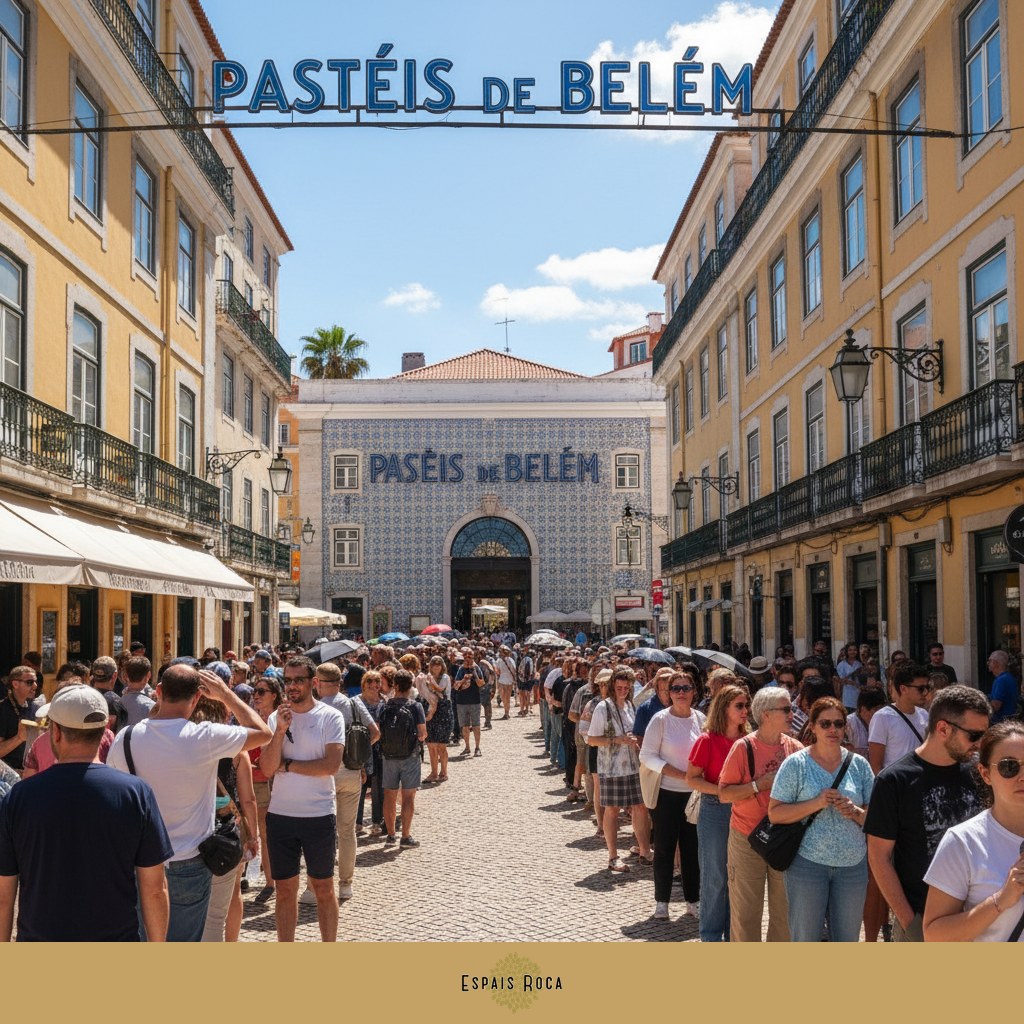
The pastel de nata was invented in the early 19th century at the Mosteiro dos Jerónimos in Belém. After the Liberal Revolution of 1820 closed Portugal’s monasteries, the Jerónimos monks sold their pastry recipe to a sugar refinery owner who opened the Fábrica de Pastéis de Belém next door in 1837.
The bakery has operated continuously ever since. The recipe — known to only three master bakers at any one time, kept in a sealed room called the Oficina do Segredo (Workshop of the Secret) — has never been written down or sold. Pastéis de Belém produces around 25,000 nata a day. The pastry is flakier than any modern competitor and the custard is set noticeably softer.
Address: Rua de Belém 84-92. Open 8am to 10pm daily. €1.40 each. The dining room queue runs 30-60 minutes; the take-away counter on the right of the entrance moves in 5-10 minutes. Take six to-go in a paper sleeve and eat them on the steps of the Jerónimos Monastery directly opposite. From Casa Almada it is 15 min Bolt or 25 min Tram 15.
Planning a Lisbon stay?
Why not stay with me at Casa Almada?
220 m² luxury apartment in the heart of the old town, sleeping up to 9 guests plus 2 infants. Tram 28 at the bottom of the street, Sé Cathedral around the corner. From €219 per night.
Check Casa Almada availability →
FTC disclosure: this is our own apartment booking page.
Manteigaria — the modern Lisbon favourite

Manteigaria opened on Rua do Loreto 2 in Bairro Alto in 2014 and immediately became the local favourite for the modern, properly hot, properly caramelised version of the nata. Open kitchen, marble counter, you watch bakers blowtorch each tray as the orders come in.
€1.30 each, dusted with cinnamon and icing sugar at the counter (free, help yourself). A galão (Portuguese latte) at €1.80. Open Monday to Sunday 8am-midnight. The Time Out Market branch is identical quality with longer queues. Five Manteigaria locations across the city now — Loreto remains the original and the most amazing in atmosphere.
From Casa Almada, the Manteigaria on Rua Augusta 195 in Baixa is closest at 12 minutes’ walk. The Loreto branch is 15 minutes. The Time Out Market is 18 minutes.
The under-the-radar contenders

Aloma at Rua de Francisco Metrass 67 in Campo de Ourique won the national “Best Pastel de Nata” competition in 2012 and 2013. The nata is slightly larger than the standard, the custard a touch sweeter, the pastry exceptional. €1.40 each. 25 min Bolt from Casa Almada.
Castro at Rua das Flores 81 in Chiado is the modern small-bakery contender — opened 2018 by a former Manteigaria baker. Identical quality to Manteigaria, much smaller queues. €1.30 each. 13 min walk from Casa Almada.
Fábrica da Nata at Praça dos Restauradores 62 has the open kitchen viewable through a glass wall — fun for kids to watch. €1.30 each. 12 min walk.
Pastelaria Alcôa at Rua Garrett 37 in Chiado is the only Lisbon branch of the famous Alcobaça pastelaria from the Cistercian monks of Santa Maria. Pastel de nata plus a wider range of monastic pastries. €1.30 each. 14 min walk.
“Espais Roca have a handful of holiday properties dotted across Europe and I can honestly say they all deliver such an amazing experience. The attention to detail is incredible.”
westlee wallace · Family holiday (Espais Roca brand)
How to tell a fresh pastel de nata from an old one
Look at the top. A fresh pastel de nata has dark caramelised spots — almost black in places — where the sugar has scorched. The whole top should look slightly uneven and rustic. A factory-finished imitation has a uniform pale-yellow top with no caramelisation.
Listen when you bite. A fresh nata makes a small crackle as your teeth go through the sugar crust. An old or reheated one is silent.
Check the pastry. The shell should be flaky in distinct layers — visible when you tilt the tart. A pastry that looks like a smooth one-piece cup is wrong. The classic nata pastry is laminated like a croissant, around 30 layers thick.
Heat. A fresh nata leaves the oven at roughly 200°C and is served at around 50°C. If it is room temperature when handed to you, it has been on the counter for over 90 minutes. Skip it. Both Manteigaria and Castro guarantee freshness — they cannot say the same of the cheap supermarket-counter rounds.
- Pastéis de Belém: Rua de Belém 84-92. Original 1837 recipe. €1.40 each. 8am-10pm.
- Manteigaria Loreto: Rua do Loreto 2, Bairro Alto. €1.30. 8am-midnight.
- Manteigaria Augusta: Rua Augusta 195, Baixa. Closest to Casa Almada (12 min walk).
- Aloma: Rua de Francisco Metrass 67, Campo de Ourique. National award winner 2012, 2013.
- Castro: Rua das Flores 81, Chiado. Manteigaria-quality, fewer queues.
- Fábrica da Nata: Praça dos Restauradores 62. Open kitchen viewable.
- Alcôa: Rua Garrett 37, Chiado. Cistercian monastic pastries.
- Test for freshness: caramelised top, crackly bite, flaky pastry layers, served warm.
- From Casa Almada: Manteigaria Augusta 12 min, Castro 13 min, Loreto 15 min, Belém 25 min Tram 15.
- Best with: a galão (Portuguese latte) and a dusting of cinnamon on top.
Photos of Casa Almada


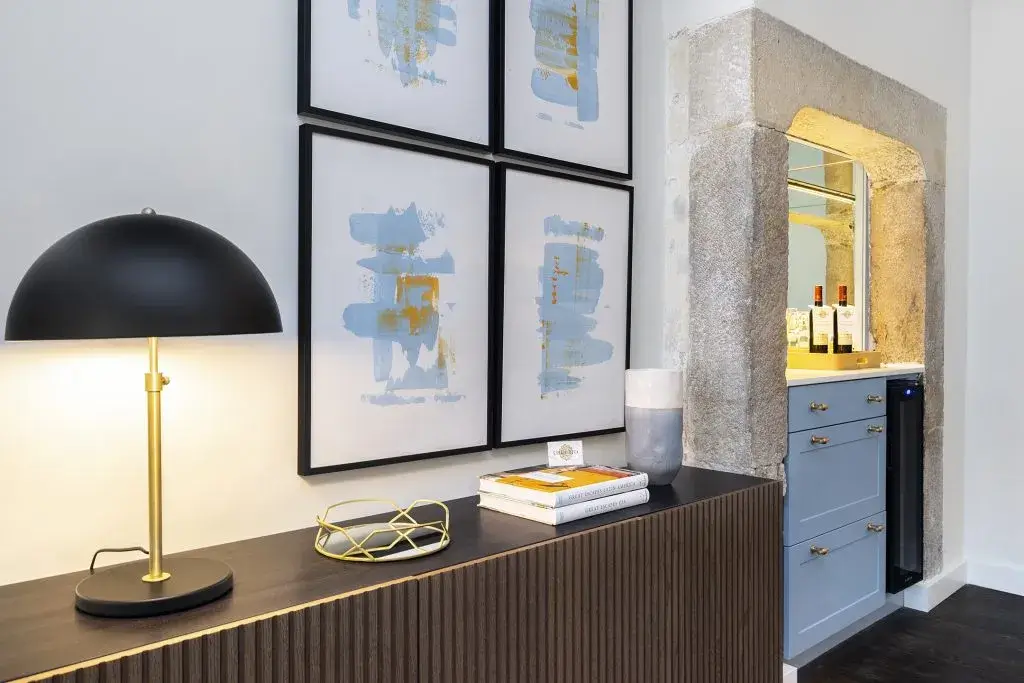

View the full Casa Almada gallery →
FTC disclosure: links to our own apartment booking page.
Stay with us in Lisbon
Casa Almada — luxury family apartment in the heart of Lisbon
220 m² of beautifully restored space across 3 bedrooms and 2 bathrooms, sleeping up to 9 guests plus 2 infants. Three super king beds that split into singles, blackout blinds throughout, original art by Lisbon artists, Egyptian cotton linens, Rituals products, and a stunning rooftop terrace with panoramic city views. Tram 28 at the bottom of the street, Sé Cathedral around the corner, Castelo de São Jorge ten minutes on foot. A far cry from the soulless chain hotels of yesterday.
From €219/night. FTC disclosure: this is our own apartment booking page.
Frequently asked questions
Where is the best pastel de nata in Lisbon?
Pastéis de Belém at Rua de Belém 84-92 has the original 1837 secret recipe and is widely considered the most distinctive version. Manteigaria on Rua do Loreto 2 is the modern Lisbon favourite for the freshly blowtorched version. Aloma in Campo de Ourique won the national best-pastel-de-nata competition twice.
How much does a pastel de nata cost in Lisbon?
€1.20 to €1.40 at any reputable bakery. Pastéis de Belém charges €1.40, Manteigaria €1.30, Aloma €1.40. Tourist-area bakeries near Praça do Comércio sometimes charge €2-€3 — overpriced and rarely as fresh.
What is the difference between pastel de nata and pastel de Belém?
They are the same pastry. “Pastel de Belém” is a protected name that only the Fábrica de Pastéis de Belém on Rua de Belém can legally use, because they hold the original 1837 monastic recipe. Every other bakery calls them “pastel de nata”. The plural is “pastéis de nata”.
How is the pastel de nata made?
Laminated puff pastry rolled thin and pressed into small individual moulds, then filled with a custard of egg yolks, sugar, milk, flour and lemon zest. Baked at 200°C-220°C for about 12 minutes — the high heat caramelises the sugar on top to dark brown spots. Best served warm with cinnamon and icing sugar.
Can I take pastel de nata back from Lisbon as a gift?
Possible but they are at their best within 12 hours of baking. Pastéis de Belém and Manteigaria sell special travel packs with a stay-fresh wrapping good for 24 hours. Beyond that the pastry softens and the custard loses its texture. For a longer-lasting gift, buy a tinned-fish or cork-leather souvenir at A Vida Portuguesa instead.
If you are planning your stay around this, take a look at the rest of our Lisbon travel blog for itineraries, restaurants and seasonal tips.