
TLDR: Tram 28 is the famous yellow heritage tram that loops through Alfama, Baixa, Chiado and Estrela. Operated since 1914, the wooden Remodelado carriages date from the 1930s. Single fare €3 from the driver, €1.80 with a Lisboa Viva card. Full route takes 45-50 minutes end to end. Board at the Sé Cathedral stop (90 sec from Casa Almada) to skip the 45-minute Martim Moniz queue.
Planning your stay?
Luxury Apartment Stays at Casa Almada — check availability and book direct.
Insider tip from Casa Almada
Board the tram at the Sé Cathedral stop or at Estrela going the other way, never at Martim Moniz. The Martim Moniz terminus has a queue of 100+ people in summer. Trams pass the Sé stop and Estrela with empty seats every 6-8 minutes through the middle of the route. Board there, ride to the next terminus, watch the route in reverse from a seated position.
Tram 28 is the most photographed transport line in Lisbon for good reason. The 1930s wooden Remodelado carriages climb impossibly steep cobbled streets, squeeze past the Sé Cathedral with millimetres to spare, and rattle through six historic neighbourhoods in 45 minutes. It is also where 90% of visitors get the experience completely wrong by queueing for an hour at Martim Moniz.
Casa Almada sits 90 seconds from the Sé stop, which is exactly where the smart move is to board. This is the local guide to actually riding Tram 28 well — where to start, what to see, when to go, and what tickets to buy.
The route — what you actually pass
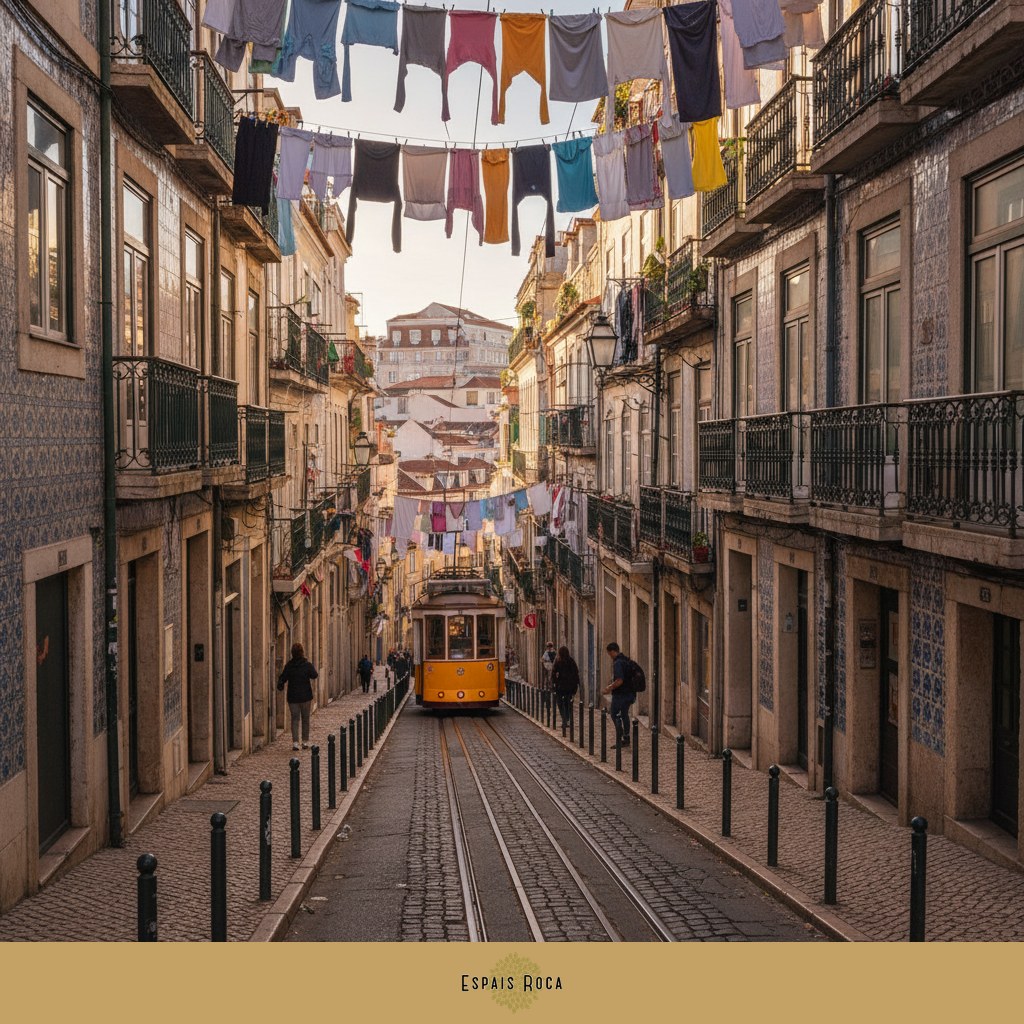
Tram 28 runs between Martim Moniz in the east and Campo de Ourique in the west. The full 45-50 minute route passes through:
Martim Moniz → Graça → Alfama → Sé Cathedral → Baixa-Chiado → Bairro Alto → Estrela → Campo de Ourique.
The most amazing section is the Alfama climb from Graça through to the Sé Cathedral — narrow cobbled streets, azulejo facades, sharp turns, and the famous moment where the tram squeezes past the cathedral at street level. The Estrela basilica and the elegant Estrela gardens are the other headline section toward the western end.
The trams themselves are Remodelado carriages built between 1936 and 1940, fully restored with original wooden interiors, brass fittings and front-and-rear driver controls. The CCFL (Carris) operates 45 of them across the heritage network.
Planning a Lisbon stay?
Why not stay with me at Casa Almada?
220 m² luxury apartment in the heart of the old town, sleeping up to 9 guests plus 2 infants. Tram 28 at the bottom of the street, Sé Cathedral around the corner. From €219 per night.
Check Casa Almada availability →
FTC disclosure: this is our own apartment booking page.
Tickets, fares and the queue trick

Single fare from the driver: €3 each way. Pay with cash or contactless. Buy as you board.
With a Lisboa Viva card: €1.80 each way. Tap on the validator. Card costs €0.50 once at any metro station.
Best value: 24-hour Carris/Metro day pass at €6.80 — covers Tram 28 unlimited plus all Lisbon metro, bus, tram and elevadores for the day.
The queue trick: Never queue at Martim Moniz. The terminus has 100+ people in summer and you can wait 45 minutes for an empty tram. Instead board at the Sé stop (90 seconds from Casa Almada), at Praça da Figueira, or at Estrela in the opposite direction. Trams pass these stops every 6-8 minutes with seats available. Ride to your terminus, the route reverses, you sit through the whole loop.
When to ride and how to plan it
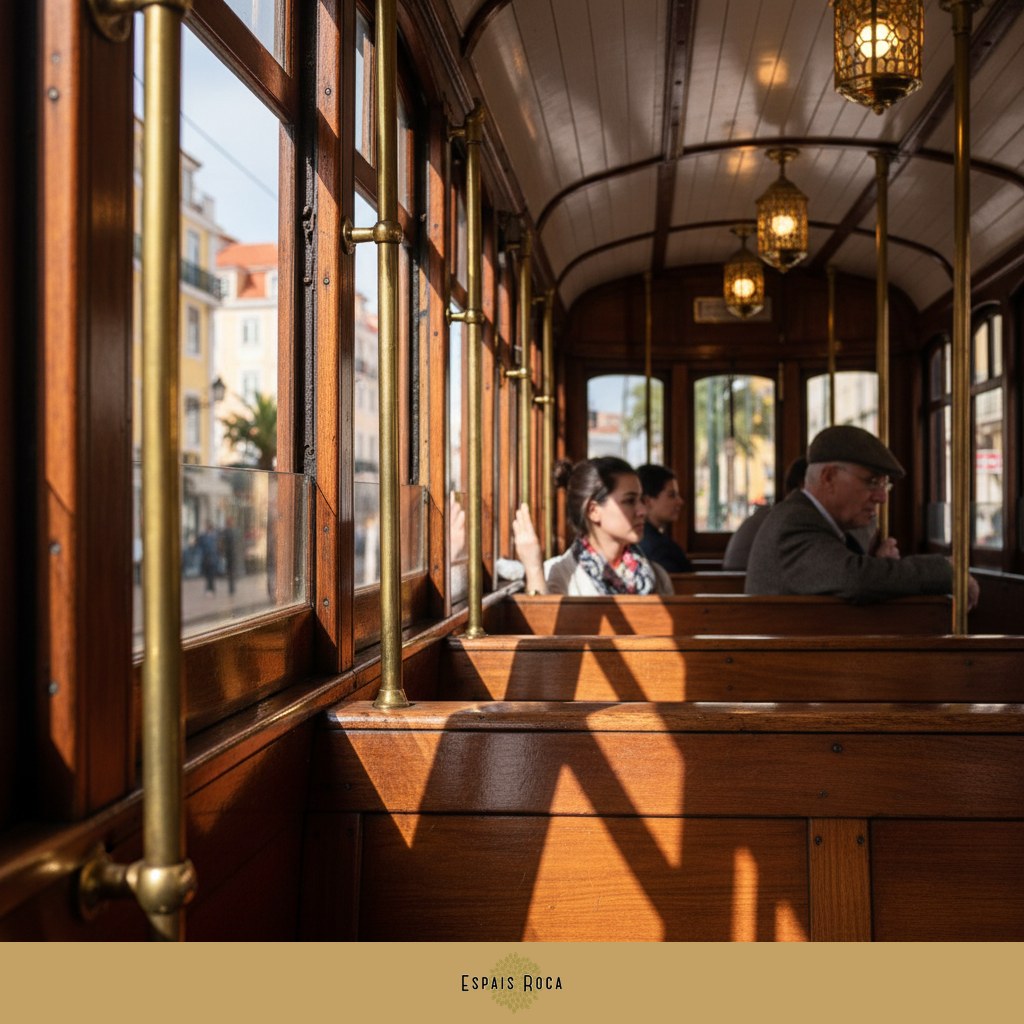
Best times: 9am-10.30am or after 6pm. Avoid 11am-3pm in summer — peak cruise-ship hours.
Best direction: from Sé heading west toward Estrela for the elegant gardens and basilica section, then back east through Bairro Alto, Chiado and Alfama for the Old Town climb on the return. Total round trip 90 minutes if you stay onboard.
Stops worth getting off at: the Sé Cathedral, Largo das Portas do Sol (the viewpoint), Chiado for shopping or coffee at A Brasileira, Estrela for the basilica and gardens, Campo de Ourique for the food market.
Pickpockets: Tram 28 is notorious. Keep wallet and phone inside an inner zipped pocket, especially on the crowded sections through Alfama. Lisbon overall is safe but the tram is a known operating ground for opportunists.
“Espais Roca have a handful of holiday properties dotted across Europe and I can honestly say they all deliver such an amazing experience. The attention to detail is incredible.”
westlee wallace · Family holiday (Espais Roca brand)
Other trams worth knowing
Tram 12 runs a smaller circular loop around the Castelo and the Sé. Same Remodelado carriages, much shorter ride (20 min), and far fewer tourists. €3 or €1.80 with Lisboa Viva.
Tram 15 is the modern articulated tram running from Praça do Comércio out to Belém and Algés. Covers the riverside route. Same Lisboa Viva fare.
Tram 24 reopened in 2018 after a long closure — connects Camões in Chiado to Campolide. Heritage Remodelado carriages, scenic alternative to Tram 28 in Bairro Alto.
For a different vintage transport experience, the three elevadores (street-level funiculars) — Lavra, Glória and Bica — are also yellow, also from the 1880s-1890s, and covered by the same 24-hour pass. Bica is the famous one with the tilted view down to the river.
- Route: Martim Moniz – Graça – Alfama – Sé – Baixa-Chiado – Bairro Alto – Estrela – Campo de Ourique.
- Full journey time: 45-50 min one way.
- Single fare from driver: €3.
- Lisboa Viva card fare: €1.80.
- Best value: 24-hr Carris/Metro pass €6.80.
- Best stop to board: Sé Cathedral (90 sec from Casa Almada). Skip Martim Moniz.
- Best times: 9-10.30am or after 6pm. Avoid 11am-3pm summer.
- Trams date from: 1936-1940 (Remodelado carriages).
- Operator: Carris (CCFL). 45 active heritage trams.
- Pickpocket risk: Real. Inner zipped pockets only.
Photos of Casa Almada


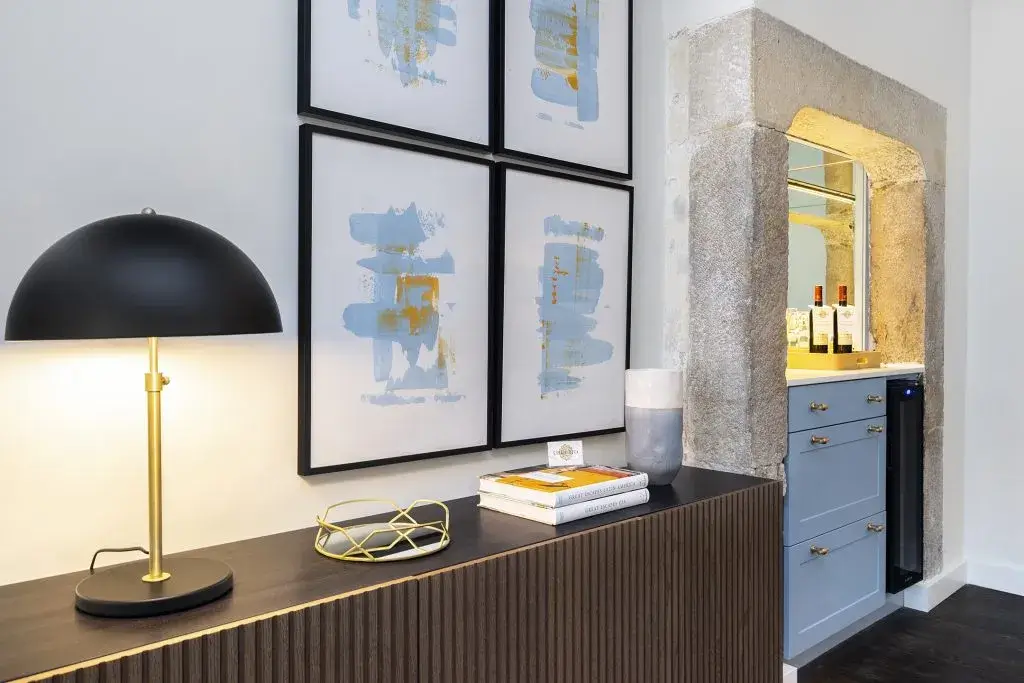

View the full Casa Almada gallery →
FTC disclosure: links to our own apartment booking page.
Stay with us in Lisbon
Casa Almada — luxury family apartment in the heart of Lisbon
220 m² of beautifully restored space across 3 bedrooms and 2 bathrooms, sleeping up to 9 guests plus 2 infants. Three super king beds that split into singles, blackout blinds throughout, original art by Lisbon artists, Egyptian cotton linens, Rituals products, and a stunning rooftop terrace with panoramic city views. Tram 28 at the bottom of the street, Sé Cathedral around the corner, Castelo de São Jorge ten minutes on foot. A far cry from the soulless chain hotels of yesterday.
From €219/night. FTC disclosure: this is our own apartment booking page.
Frequently asked questions
How much is Tram 28 in Lisbon?
€3 single from the driver, or €1.80 with a Lisboa Viva contactless card. The Lisboa Viva itself costs €0.50 once at any metro station. The 24-hour Carris/Metro pass at €6.80 covers Tram 28 unlimited plus all metro, bus and other trams.
Where is the best place to board Tram 28?
The Sé Cathedral stop is the best for visitors based in the Old Town — only 90 seconds from Casa Almada and rarely queued. Avoid the Martim Moniz terminus where queues run 30-45 minutes in summer. Estrela is the equivalent quiet stop heading east.
How long does Tram 28 take?
The full route from Martim Moniz to Campo de Ourique takes 45-50 minutes one way. Round trip if you stay onboard is around 90 minutes. Trams run every 6-8 minutes through the middle of the day, slightly less frequently early morning and late evening.
Is Tram 28 safe from pickpockets?
The tram itself is safe to ride but pickpockets do operate, especially on the Alfama section where the carriages are crowded. Keep your phone, wallet and passport inside an inner zipped pocket. Do not leave bags on the wooden seat next to you when standing.
When did Tram 28 start running?
The route opened in 1914 as part of the original Lisbon electric tram network. The current Remodelado wooden carriages were built between 1936 and 1940 and have been continuously refurbished. Carris (CCFL) operates the line today with 45 heritage trams in active service.
If you are planning your stay around this, take a look at the rest of our Lisbon travel blog for itineraries, restaurants and seasonal tips.